
Why choosing the right influencers matters more than ever in 2026
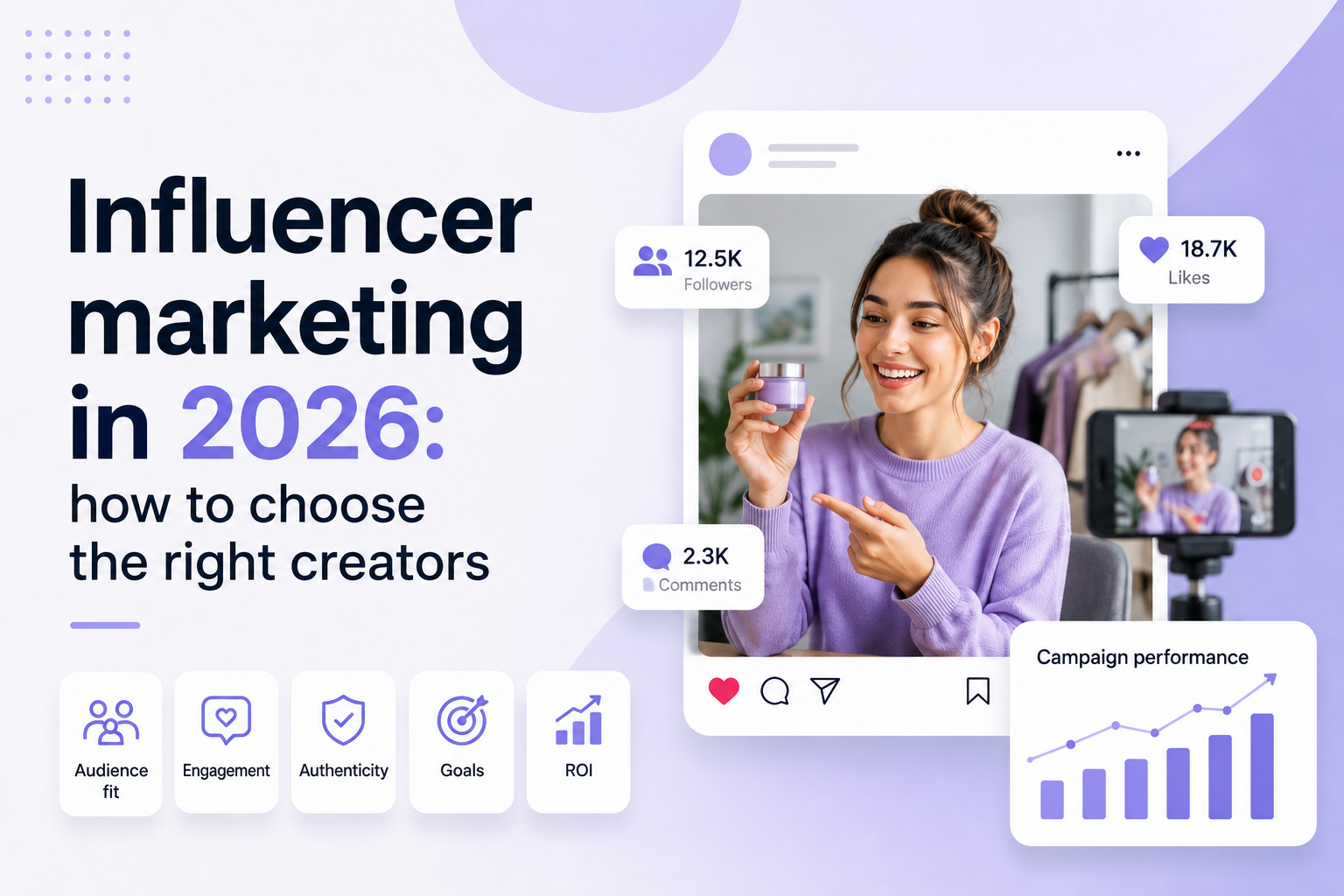
Influencer marketing remains one of the most effective ways to reach online audiences in 2026. However, the creator economy is becoming more crowded every year. As a result, brands face a growing challenge: finding influencers who can deliver real business value, not just likes and views.
For many companies, managing influencer campaigns internally takes time and resources. Teams need to research creators, negotiate agreements, monitor performance, and optimize results. Therefore, many businesses now partner with social media management agencies to streamline the process and achieve better outcomes.
Choosing the right influencers requires a strategic approach. Brands must consider audience fit, engagement quality, campaign objectives, and long-term potential. In addition, they need reliable methods for measuring results. By understanding what to look for, companies can invest their budgets more effectively and build stronger connections with their target audiences.
Micro vs. macro influencers: finding the best fit
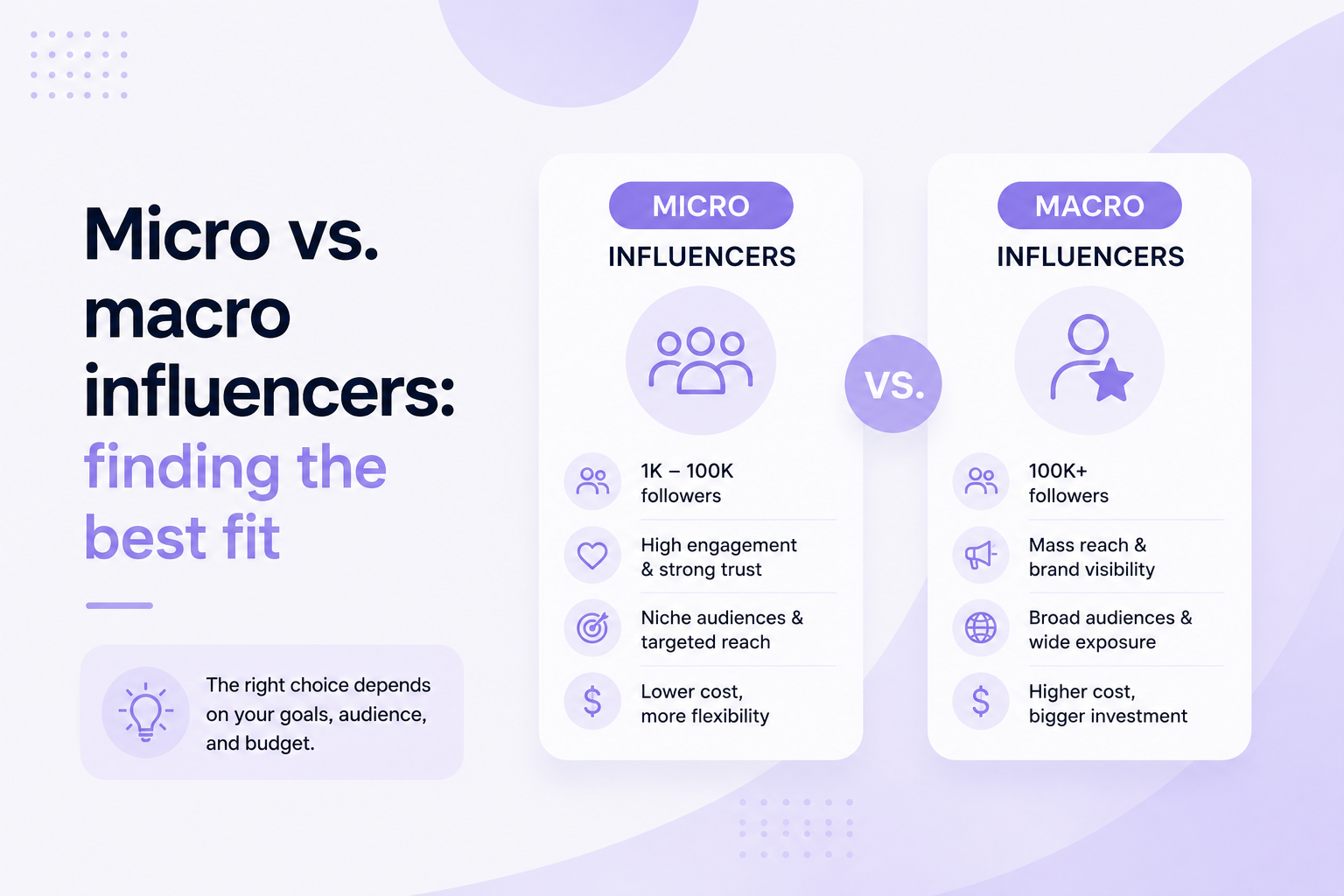
When deciding how to choose the right influencers, many brands start by comparing micro and macro creators. While both groups can deliver results, they serve different purposes.
Micro influencers typically have smaller but highly engaged audiences. As a result, they often generate stronger trust and more meaningful interactions. This makes them particularly valuable for niche industries, local businesses, and brands targeting specific customer segments. Furthermore, collaboration costs are usually lower, allowing companies to work with multiple creators within the same budget.
Macro influencers, on the other hand, offer broader reach and greater visibility. Therefore, they can be an excellent choice for product launches, brand awareness campaigns, or market expansion efforts. However, larger audiences do not always translate into stronger engagement.
The right choice depends on your goals. If you want to build credibility within a specific community, micro influencers may be the better option. Meanwhile, if your priority is reaching a large audience quickly, macro influencers can provide greater exposure. A social media management partner can help evaluate both options and create the right influencer mix for your campaign.
Evaluating engagement authenticity and defining campaign goals
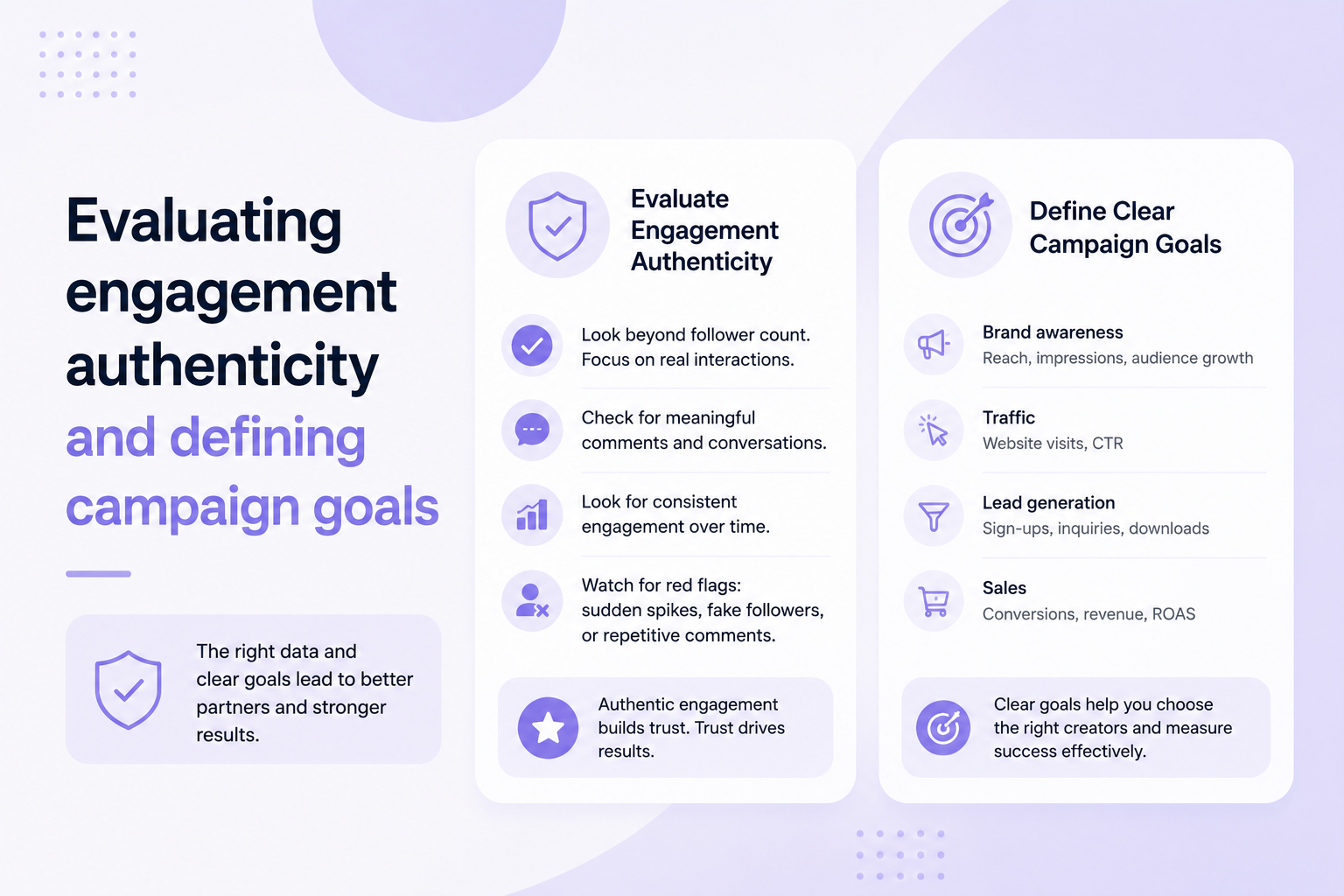
Follower counts no longer tell the whole story. Today, successful influencer marketing depends on authentic engagement and clear objectives.
Before selecting a creator, brands should look beyond audience size. Instead, they should examine how followers interact with content. For example, meaningful comments, genuine discussions, and consistent engagement often indicate a healthy community. In contrast, sudden spikes in followers or repetitive comments may signal artificial activity.
At the same time, businesses need to define campaign goals before reaching out to creators. Otherwise, it becomes difficult to choose the right partners or measure success. Some brands focus on awareness, while others prioritize lead generation, website traffic, or direct sales. Each objective requires a different influencer strategy.
Clear goals also improve communication during campaign planning. Consequently, both the brand and the creator understand what success looks like from the start. Moreover, agencies managing social media and influencer campaigns can use these objectives to identify suitable creators and track performance effectively. This approach reduces risk, improves budget allocation, and increases the likelihood of achieving measurable results.
Negotiation and contracts: protecting your investment
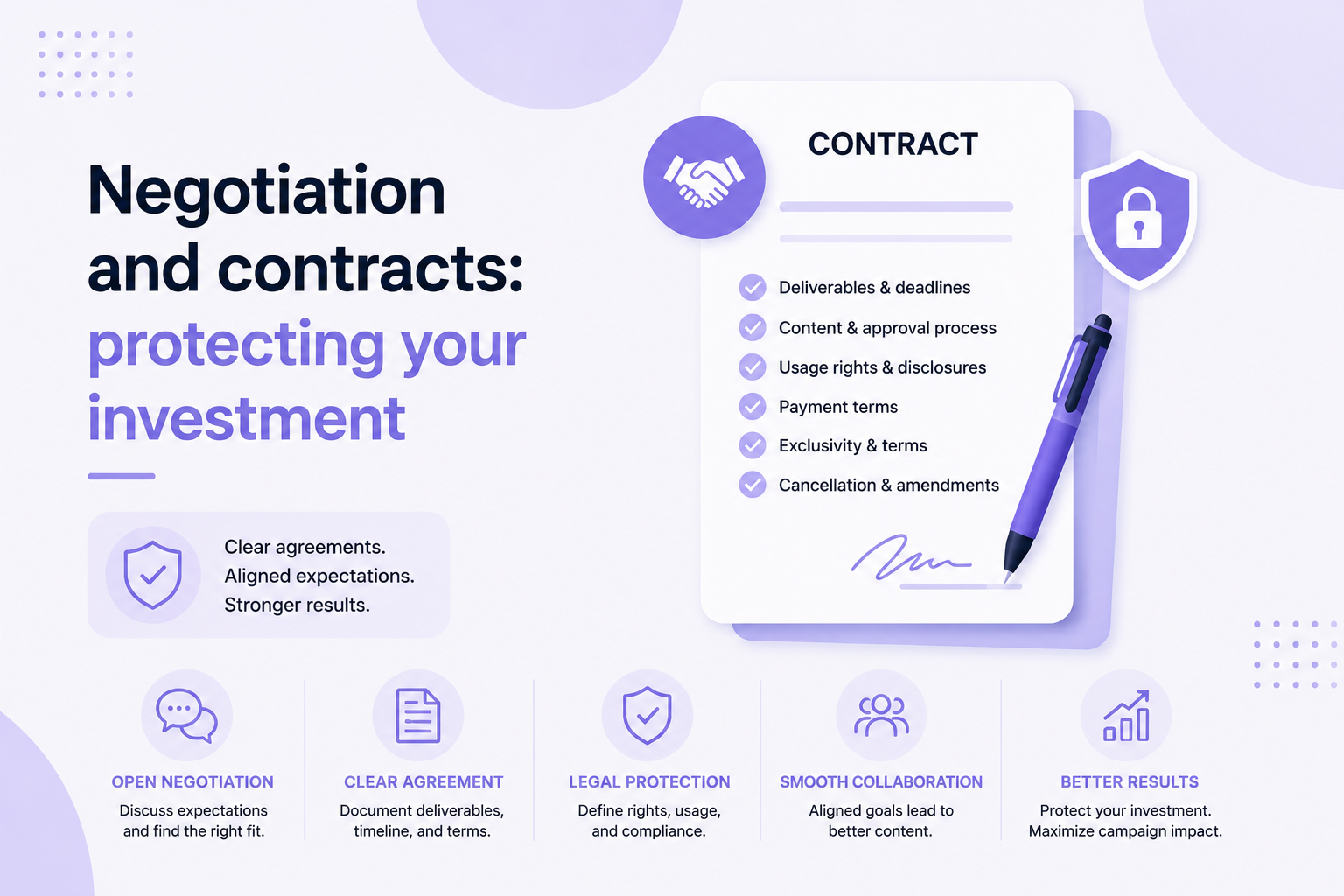
Even the best influencer match can lead to problems without clear agreements. Therefore, every collaboration should begin with transparent negotiations and a well-defined contract.
A strong agreement outlines key deliverables, deadlines, content formats, and approval processes. In addition, it should specify usage rights, disclosure requirements, and payment terms. When expectations are clear from the start, both parties can focus on creating effective content rather than resolving misunderstandings.
Negotiation is also about finding the right balance between creative freedom and brand consistency. While creators know their audiences best, brands still need content that aligns with their goals and messaging. Consequently, successful partnerships often involve open communication and mutual trust.
For businesses managing multiple influencer relationships, contract administration can quickly become time-consuming. As a result, many companies outsource influencer campaign management to experienced social media teams. Agencies can handle negotiations, ensure legal compliance, and maintain consistent communication throughout the campaign. This not only saves valuable time but also reduces risk and helps brands secure better long-term results from their influencer marketing investments.
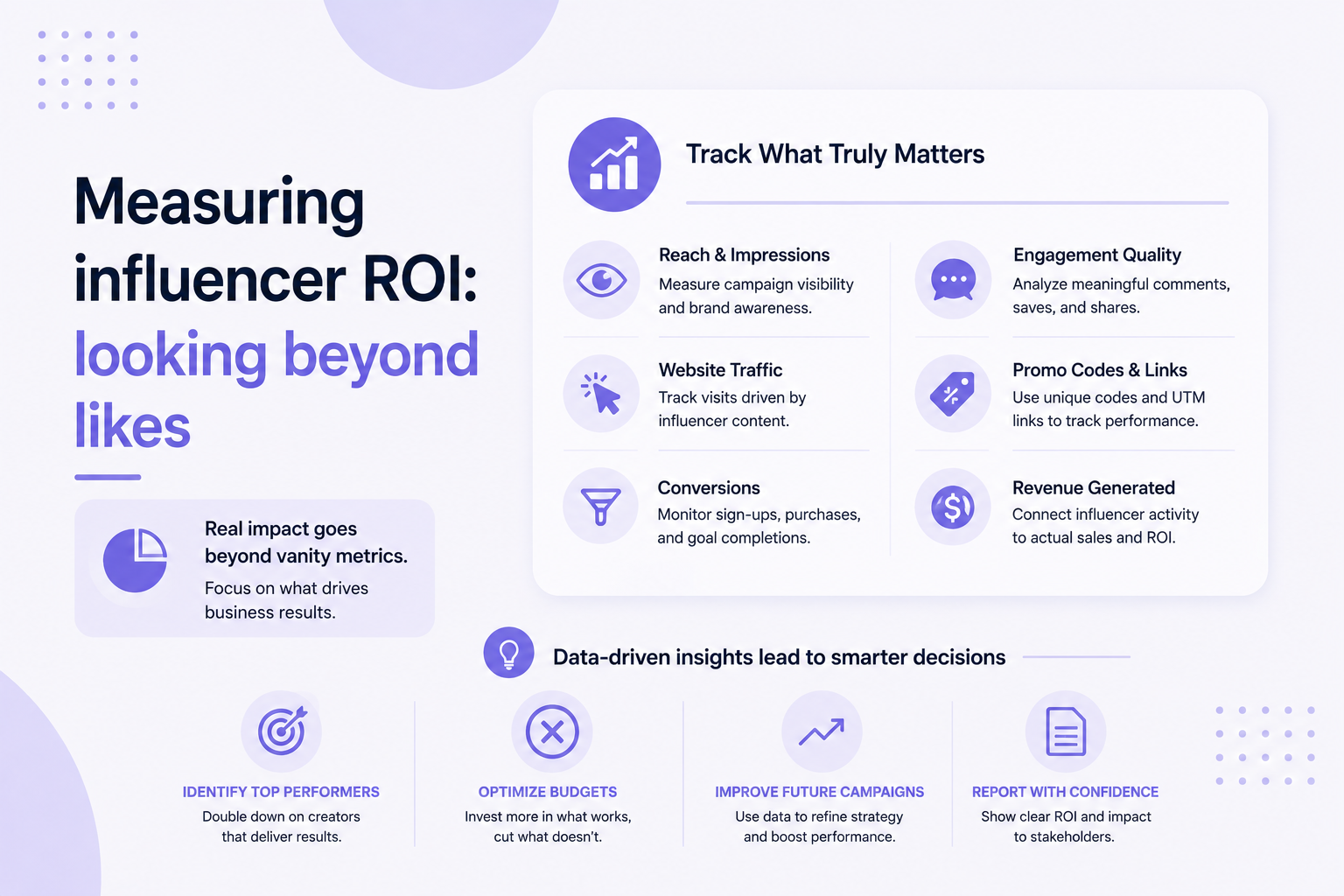
Measuring influencer ROI: looking beyond likes
One of the biggest challenges in influencer marketing is proving return on investment. While likes and comments remain useful indicators, they rarely tell the full story.
Instead, brands should focus on metrics that connect directly to business objectives. For awareness campaigns, reach, impressions, and audience growth may be the most relevant indicators. However, if the goal is lead generation or sales, businesses should track website visits, conversions, promo code usage, and revenue generated through influencer activity.
Tracking tools have become much more sophisticated in 2026. Consequently, brands can now monitor customer journeys more accurately and understand how influencer content contributes to purchasing decisions. This data provides valuable insights for future campaigns and budget planning.
Measuring ROI also allows businesses to identify their top-performing creators. Moreover, it helps eliminate partnerships that fail to deliver meaningful results. When influencer performance is monitored consistently, companies can make smarter decisions and improve campaign effectiveness over time. A dedicated social media management partner can simplify this process by providing regular reporting and actionable recommendations.
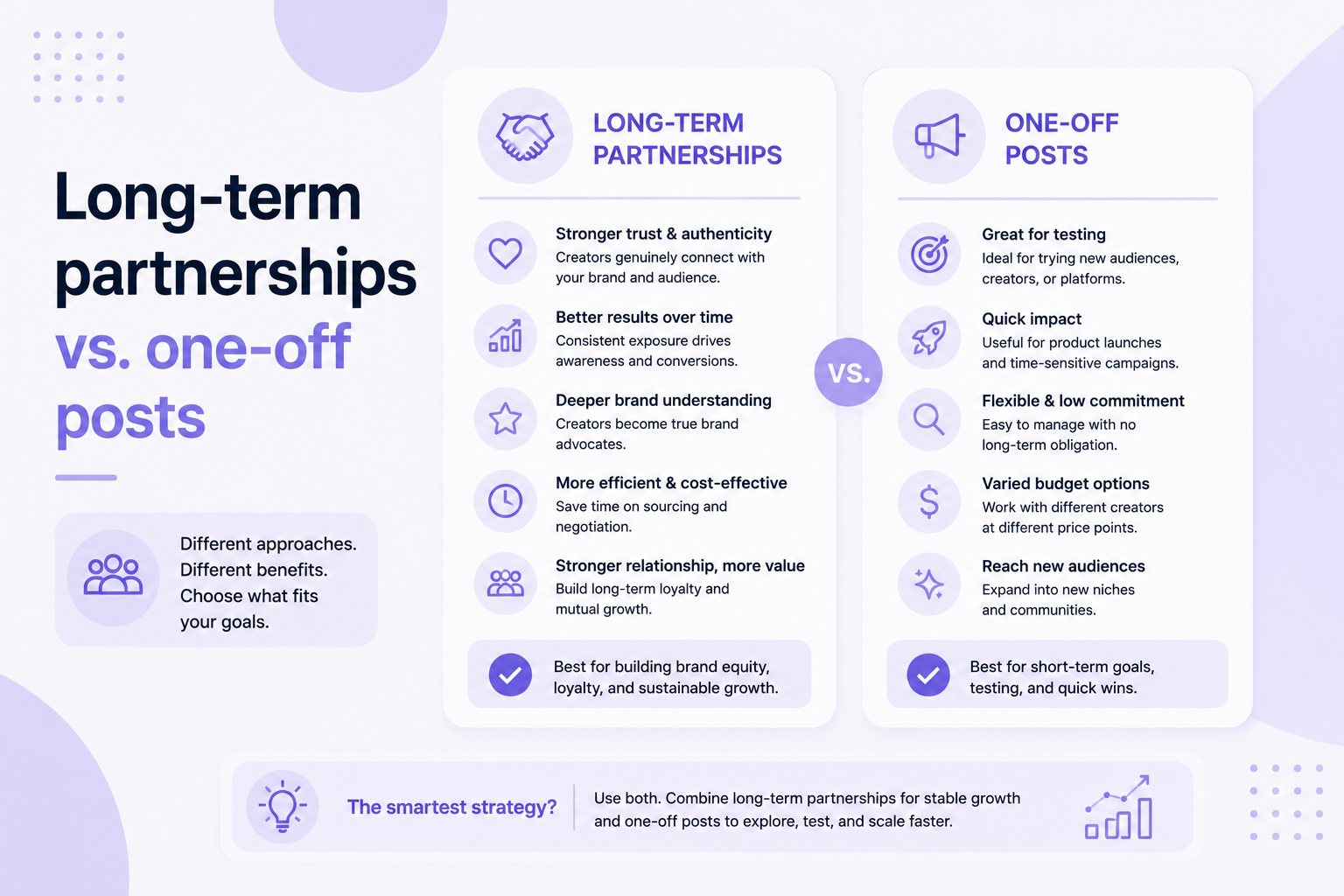
Long-term partnerships vs. one-off posts
Many brands once relied on one-off sponsored posts to promote products and services. While this approach can still deliver results, long-term partnerships are becoming increasingly valuable in 2026.
Audiences trust creators who genuinely use and support the brands they promote. Therefore, repeated exposure through ongoing collaborations often feels more authentic than a single sponsored post. Over time, creators become familiar with a brand’s products, values, and target audience. As a result, their content tends to feel more natural and convincing.
Long-term partnerships also provide operational benefits. For example, brands spend less time searching for new influencers and negotiating fresh agreements for every campaign. Instead, they can focus on refining strategy and improving performance with trusted creator partners.
That said, one-off collaborations still have a place. They can be useful for testing new audiences, launching products, or exploring emerging platforms. However, businesses seeking sustainable growth should consider building a network of creators who can support their brand over time. This approach strengthens credibility, improves consistency, and often generates stronger returns on influencer marketing investment.
Building smarter influencer partnerships in 2026
Influencer marketing in 2026 is about much more than finding creators with large followings. Success depends on choosing influencers who align with your brand, engage authentic audiences, and support clearly defined business goals.
Whether you work with micro influencers, macro creators, or a combination of both, strategic planning remains essential. Furthermore, clear contracts, reliable performance measurement, and long-term partnerships can significantly improve campaign outcomes.
For businesses looking to maximize results while reducing internal workload, partnering with an experienced social media management team can make the process more efficient and effective. With the right strategy and the right creators, influencer marketing can become a powerful driver of brand growth and customer engagement.