
When a multilingual website still creates friction
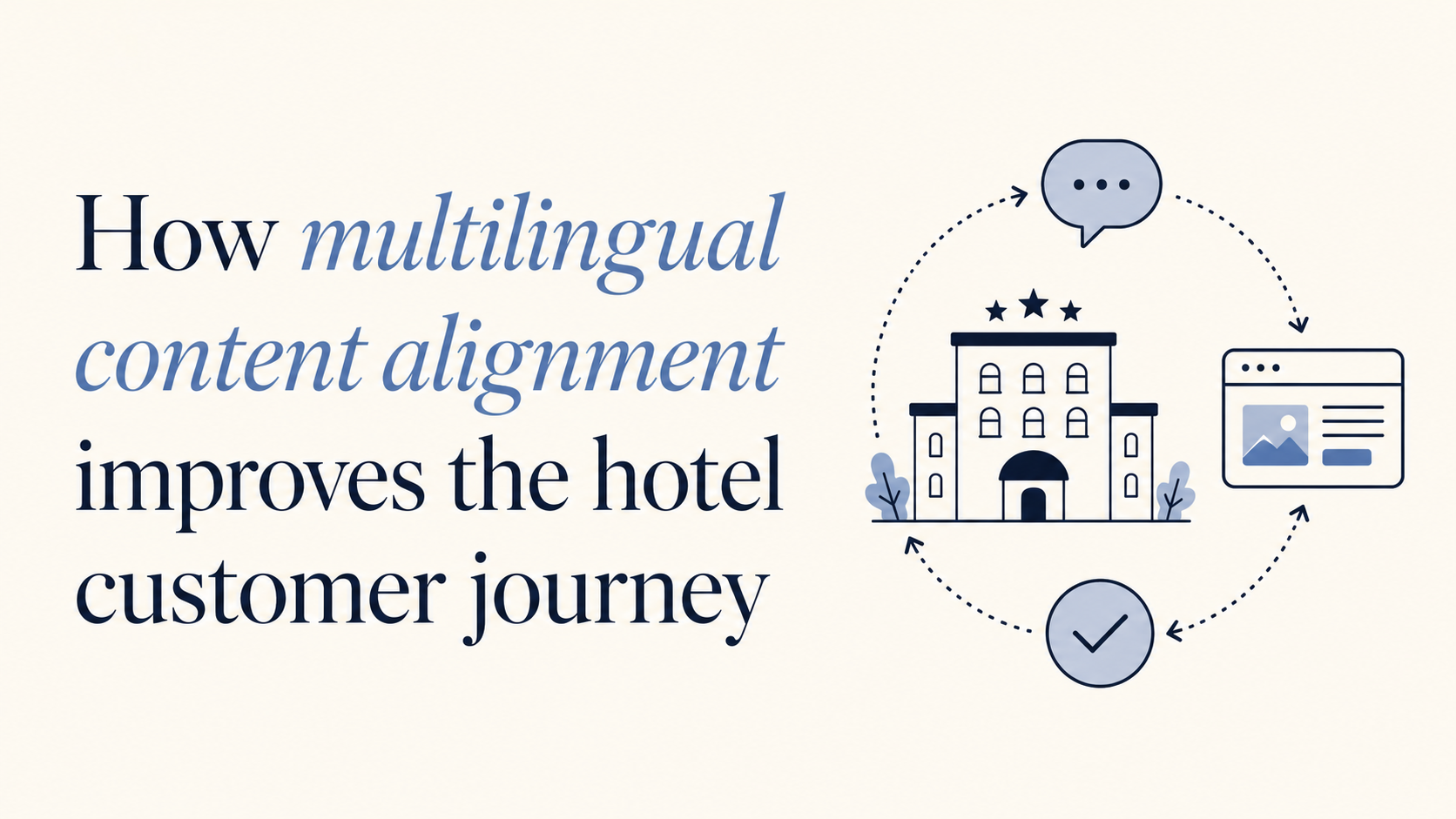
A hotel may offer several language versions and still deliver an inconsistent international experience. A strong multilingual hotel customer journey depends on more than translated website pages. It also includes promotions, embedded social feeds, calls to action, landing pages, and the booking path. Therefore, every touchpoint should guide the visitor in the same language and with the same level of clarity.
However, many hospitality brands review these elements separately. The website team manages pages, while another team handles social media or campaigns. As a result, language gaps can appear between channels. A visitor may select English, see a promotion in another language, and then reach a generic booking page.
For an LSP, a website audit helps uncover these breaks before they affect trust or conversion. In addition, it shows where translation alone is not enough. By reviewing the full journey, the localization partner can identify missing content, inconsistent terminology, weak CTAs, and incorrect routing. Consequently, the audit becomes a practical starting point for a more connected multilingual strategy.
The problem: an international website, but not an international journey
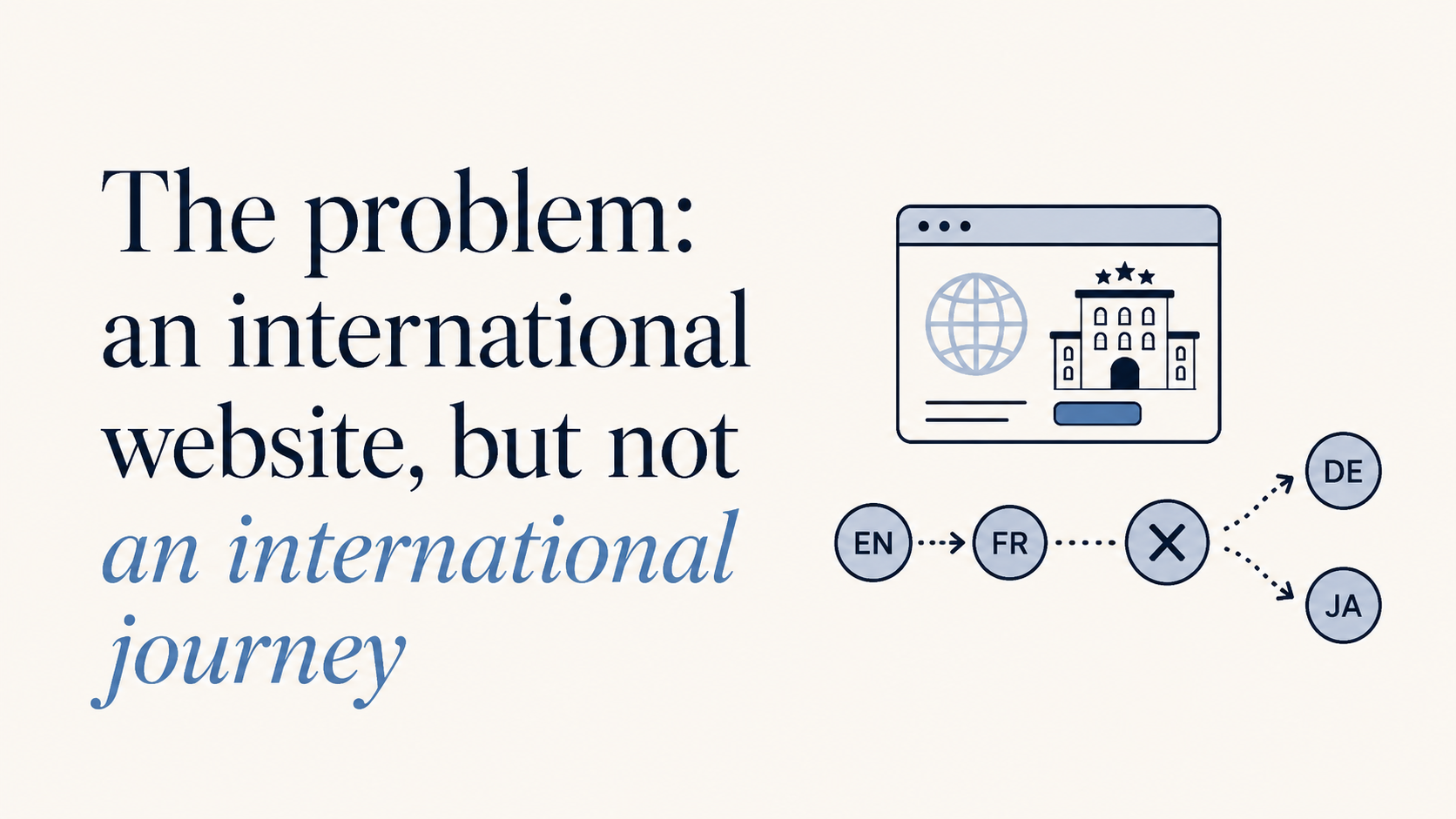
Our client, the hotel appeared multilingual because users could select different website languages. However, the complete journey did not follow that choice. Promotions, social posts, and embedded feeds sometimes returned to the local language. In addition, calls to action did not always lead to a matching-language landing page or booking interface.
This created friction at a critical moment. A visitor might understand the main offer but feel less confident when the next step suddenly changed language. Consequently, discovery and booking felt disconnected. The issue was not one mistranslated sentence. Instead, it was a wider lack of alignment across channels.
A standard linguistic review would not reveal the entire problem. Therefore, the audit needed to cover the website, social content, CTAs, landing pages, and booking flow together. It also needed to check whether the tone and terminology remained consistent throughout. As a result, the LSP could see where the customer journey broke and which changes would improve it. The review turned a vague concern about “inconsistent localization” into a clear map of practical issues.
What we changed: building one localized content system
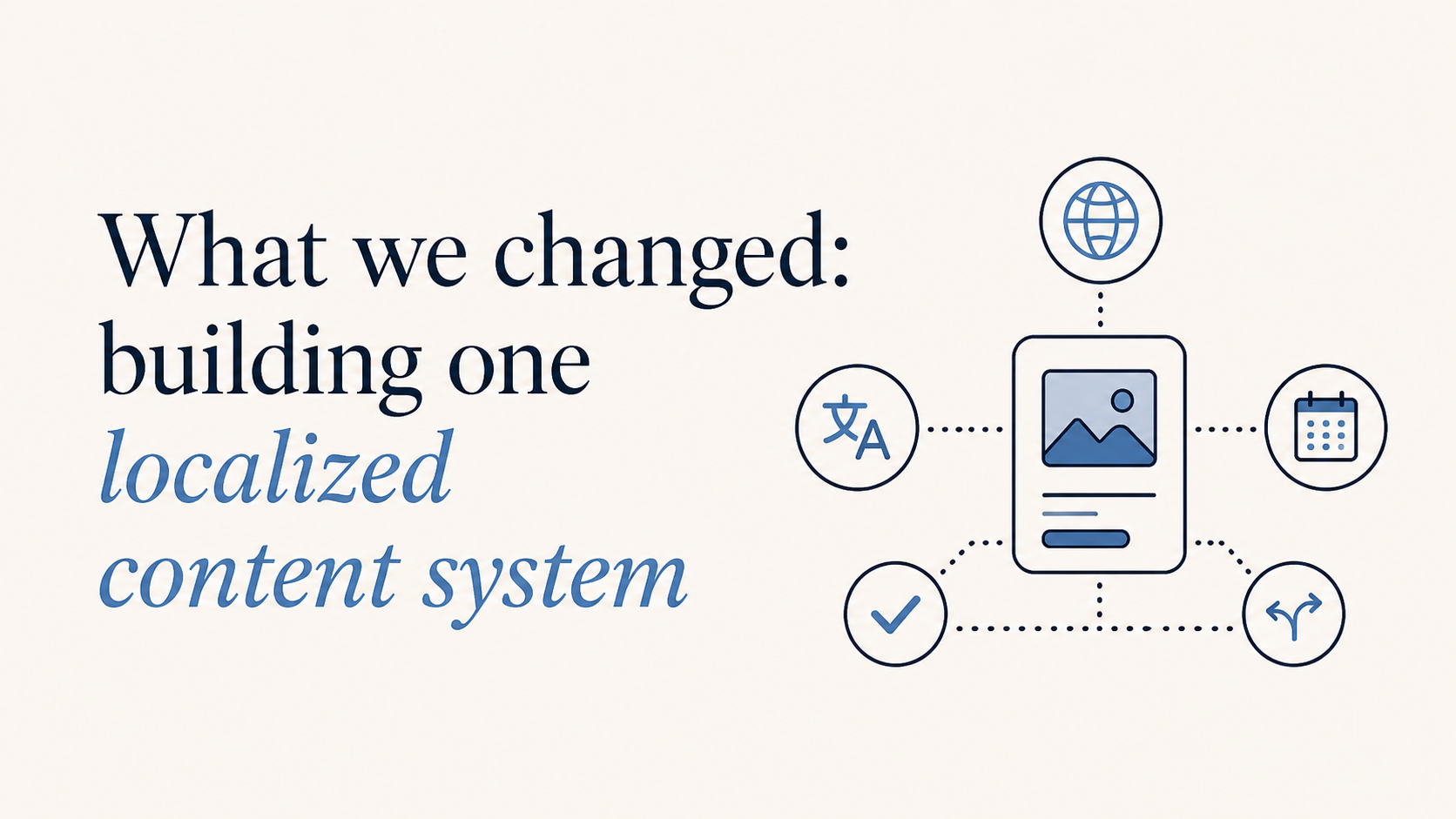
Instead of treating each channel as a separate translation task, we connected the full multilingual journey. First, we reviewed the website, embedded social content, calls to action, landing pages, and booking flow for each priority market. This helped us identify where the language, tone, or next step became inconsistent.
Next, we created market-specific content pillars and localization rules. These covered tone of voice, formality, CTA wording, content length, and the main benefit for each audience. Therefore, translators could adapt the message with more context instead of following the source text too closely.
We also introduced one master content calendar. However, each idea was adapted for the relevant platform and market. In addition, every post linked to a matching-language landing page through a tagged URL. This made the customer path more coherent and easier to measure.
Finally, we added a reporting loop. As a result, the team could compare engagement, clicks, landing-page behavior, and enquiry signals by market, then improve the content each month.
The impact: more relevant engagement and clearer data
Once the channels were connected, the multilingual experience became easier to follow. Visitors saw offers, messages, and next steps that matched their language and market. Therefore, social content no longer felt separate from the website or booking journey.
The new system also improved measurement. Because each post linked to a language-specific landing page, the hotel could compare engagement, clicks, and enquiry signals by market. As a result, the team gained cleaner conversion data and a clearer view of which content themes worked best.
In addition, the internal process became easier to manage. Instead of handling separate translation requests for each channel, the team worked with one approval flow and one shared content structure. This reduced duplication and made updates more consistent.
Most importantly, the customer journey felt more relevant. The hotel did not simply translate more content. It created a clearer path from discovery to booking for each audience.
A better multilingual journey starts with an audit
A multilingual website audit can reveal problems that a standard translation review may miss. It shows where the user’s language choice stops being respected across promotions, social feeds, CTAs, landing pages, or booking steps.
Therefore, the audit should examine the full customer journey rather than isolated pages. It should also check tone, terminology, routing, and market relevance. This gives the LSP a practical basis for recommending changes instead of making assumptions.
For hospitality brands, the benefit goes beyond linguistic quality. A connected multilingual hotel customer journey can improve trust, support clearer measurement, and make content production easier to manage. In addition, it helps internal teams see where localization affects marketing and conversion, not only translation.
The strongest result is a journey that feels coherent from the first post to the final booking step. When every touchpoint supports the same language and message, international visitors can move forward with greater confidence.