
A clear voice builds trust before the first call
A strong brand voice for social media helps your language service provider look clear, consistent and reliable online. This matters because potential clients often meet your brand through a LinkedIn post, an Instagram caption or a short update before they ever contact you. Therefore, your tone should give them a reason to trust you. It should show that your team understands accuracy, cultural context and professional communication.
However, many LSPs struggle to keep their social media voice consistent. One post may sound formal. The next may feel too casual. As a result, the brand can look less focused than it really is. This often happens when social media is handled between client projects, without a clear content system.
This is where outsourcing social media management can help. An external team can define your tone, prepare content guidelines and make sure every post sounds like your brand. In addition, they can adapt your message to each platform while keeping the same core identity. Instead of starting from scratch each time, your social media becomes easier to plan, review and publish.
Why brand voice matters for LSPs
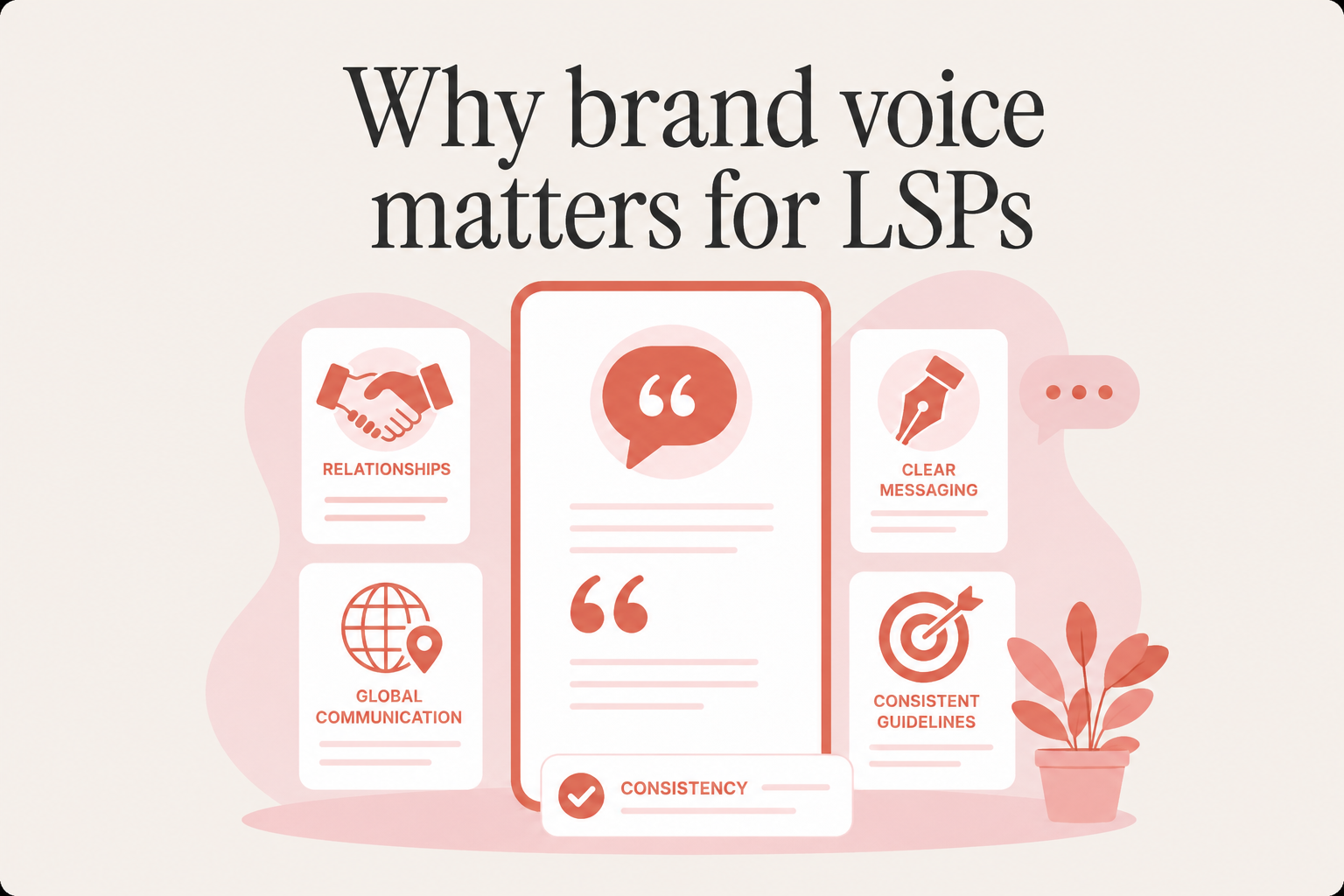
Brand voice matters because it shapes how clients understand your business. For LSPs, this is especially important. Your services depend on trust, precision and expertise. Therefore, your social media should reflect those qualities in every post. When your tone is consistent, clients start to recognise your style. They also understand what kind of partner you are.
For example, a legal translation provider may need a more formal and precise voice. However, an LSP that supports marketing campaigns may sound more creative and conversational. Both approaches can work well. The key is choosing a voice that matches your services, audience and positioning. Otherwise, your content may send mixed signals.
Consistency also makes outsourcing easier. When your brand voice is clear, a social media team can create captions, graphics and campaign ideas that feel aligned with your business. In addition, your internal team spends less time rewriting posts or explaining preferences again and again. As a result, social media becomes smoother and more strategic. It also helps your brand appear more professional, even when different people contribute to content creation.
Defining tone and creating a brand voice document
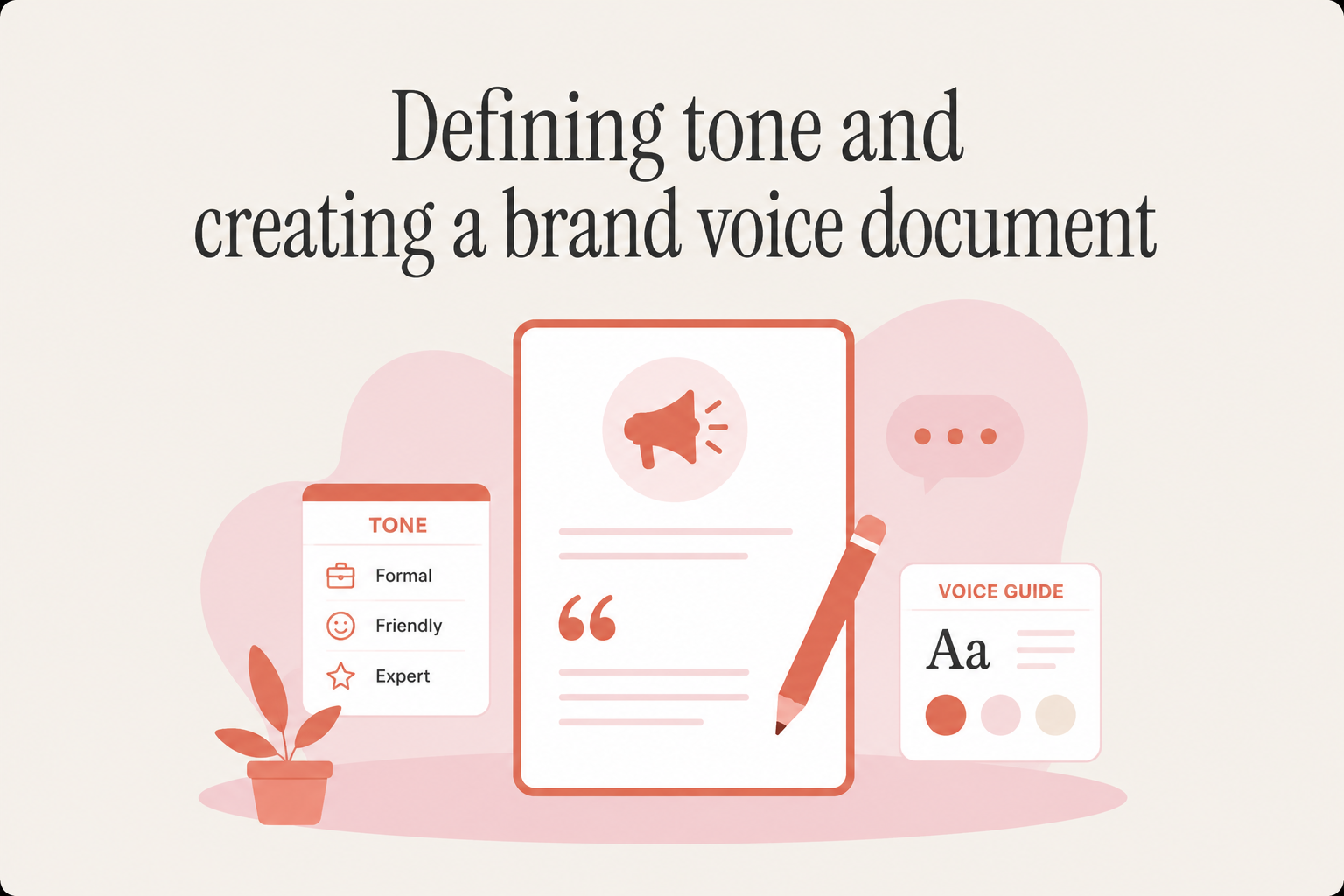
Before your team creates more content, you need to define how your brand should sound. Start with simple tone choices. Should your LSP sound formal, warm, expert, practical, friendly or bold? Then, decide what your audience expects. Corporate clients may prefer a confident and professional tone. However, marketing teams may respond better to clear, direct and slightly more conversational content.
A brand voice document turns these decisions into a practical guide. It should include your preferred tone, common phrases, words to avoid and examples of good captions. In addition, it can explain how to write about services such as translation, localization, interpreting, multilingual SEO or transcreation. This gives your outsourced social media team a clear reference point.
The document should also cover formatting rules. For example, you can define how to use emojis, hashtags, calls to action and client-facing language. As a result, every post feels more consistent. Moreover, your approval process becomes faster because everyone knows what “on brand” means. A good brand voice document does not need to be long. However, it should be clear enough to guide daily content creation.
Adapting voice across platforms and teams
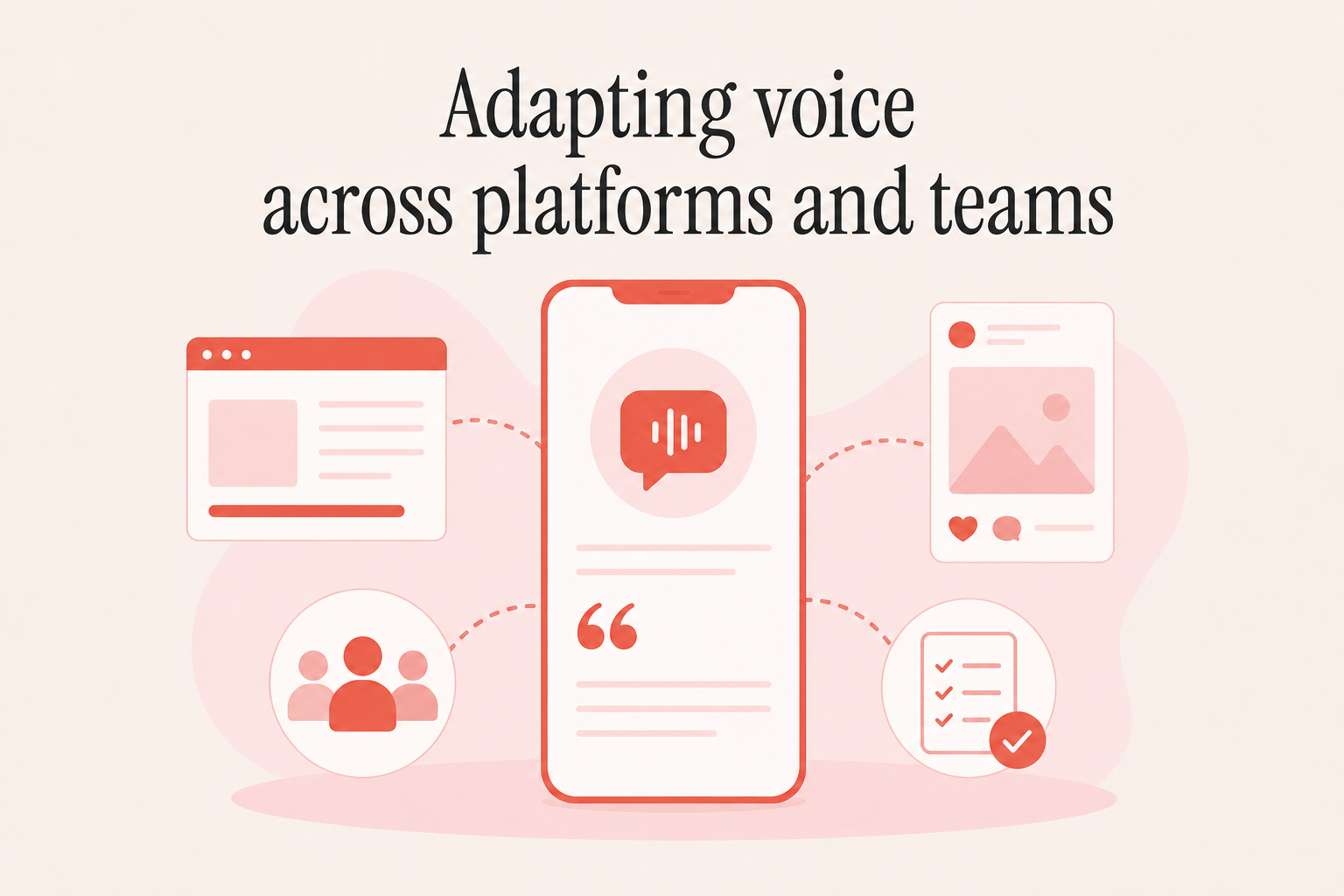
A consistent brand voice does not mean using the same words everywhere. Each social media platform has its own rhythm. Therefore, your tone needs small adjustments while your core identity stays the same. LinkedIn usually works best with a professional and expert voice. Instagram can feel more visual, simple and approachable. Facebook may support community updates, company news and client education. Meanwhile, short-form video captions often need to be direct, quick and conversational.
For LSPs, this balance is important. You may want to sound reliable and precise, but still human. As a result, your content should avoid being too stiff or too generic. A good outsourced social media team can adapt your message to each channel without changing your brand personality. For example, the same idea about localization quality can become a LinkedIn insight, an Instagram carousel and a short video script. However, each version should still sound like your company.
Team training also supports consistency. Writers, designers, project managers and external partners should understand your tone of voice. In addition, they should know which phrases, visuals and calls to action fit your brand. When everyone follows the same guidance, content creation becomes smoother. Approval also becomes faster because the team works from shared rules.
Keeping your brand voice consistent over time
Brand voice is not something you define once and then forget. It needs regular review. Over time, your services may change, your audience may grow and your business goals may shift. Therefore, your social media voice should evolve with your brand. However, it should still remain recognisable and consistent.
A simple content audit can help. Review recent posts and ask practical questions. Does the content sound like one brand? Is your expertise clear? Are you speaking to the right clients? Also, check whether the tone feels too formal, too vague or too sales-focused. In addition, review which posts get the best engagement. Comments, saves, clicks and enquiries can show what your audience finds useful.
When you outsource social media management, this review becomes part of the process. Your external team can track patterns, suggest improvements and refine your voice over time. As a result, your content becomes more focused and more effective. A strong brand voice helps your LSP stay memorable in a busy market. It also helps potential clients understand who you are before they contact you. With clear tone, consistent style and regular refinement, your social media can build trust long before the first conversation.