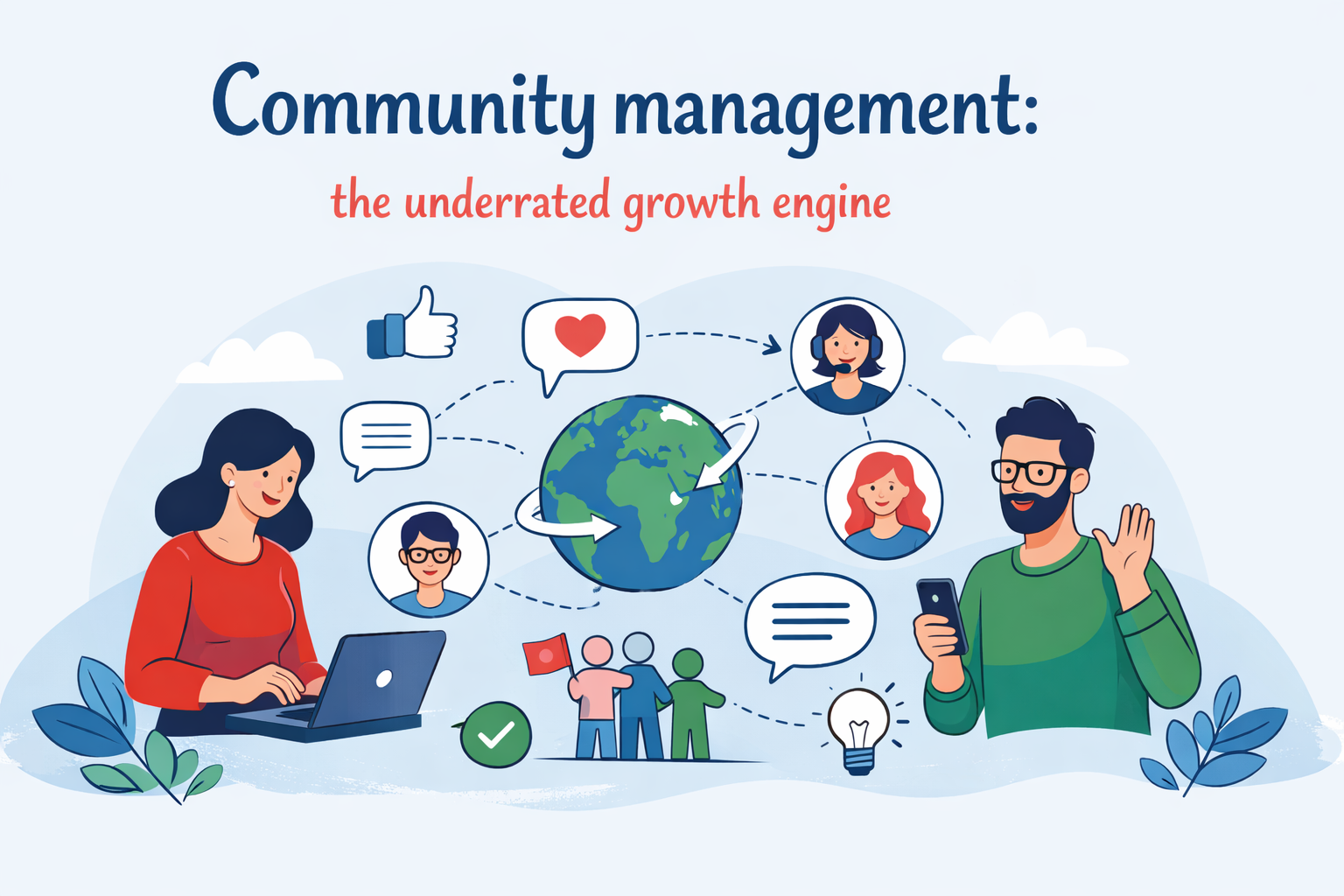

Why community management matters for brand growth
Many brands focus on content, ads, and reach. However, they often overlook the part of marketing that keeps people close. Community management is not just about replying to comments. It is about building trust in public, one interaction at a time.
For potential clients, this has real business value. People may discover your brand through a campaign, but they often decide how they feel about it through everyday contact. They notice your tone. They notice your speed. Most importantly, they notice whether your brand feels human and consistent.
That is why community management matters far beyond social media support. It shapes reputation, strengthens relationships, and improves the customer experience. In many cases, it also influences whether someone buys from you, recommends you, or stays loyal over time. So while it may seem like a background task, it often works as a quiet driver of growth.
At LSP, we see community management as a strategic service, not an afterthought. It helps brands stay present, professional, and trusted in a crowded digital space. As a result, every reply, message, and conversation can support stronger engagement and better long-term results.
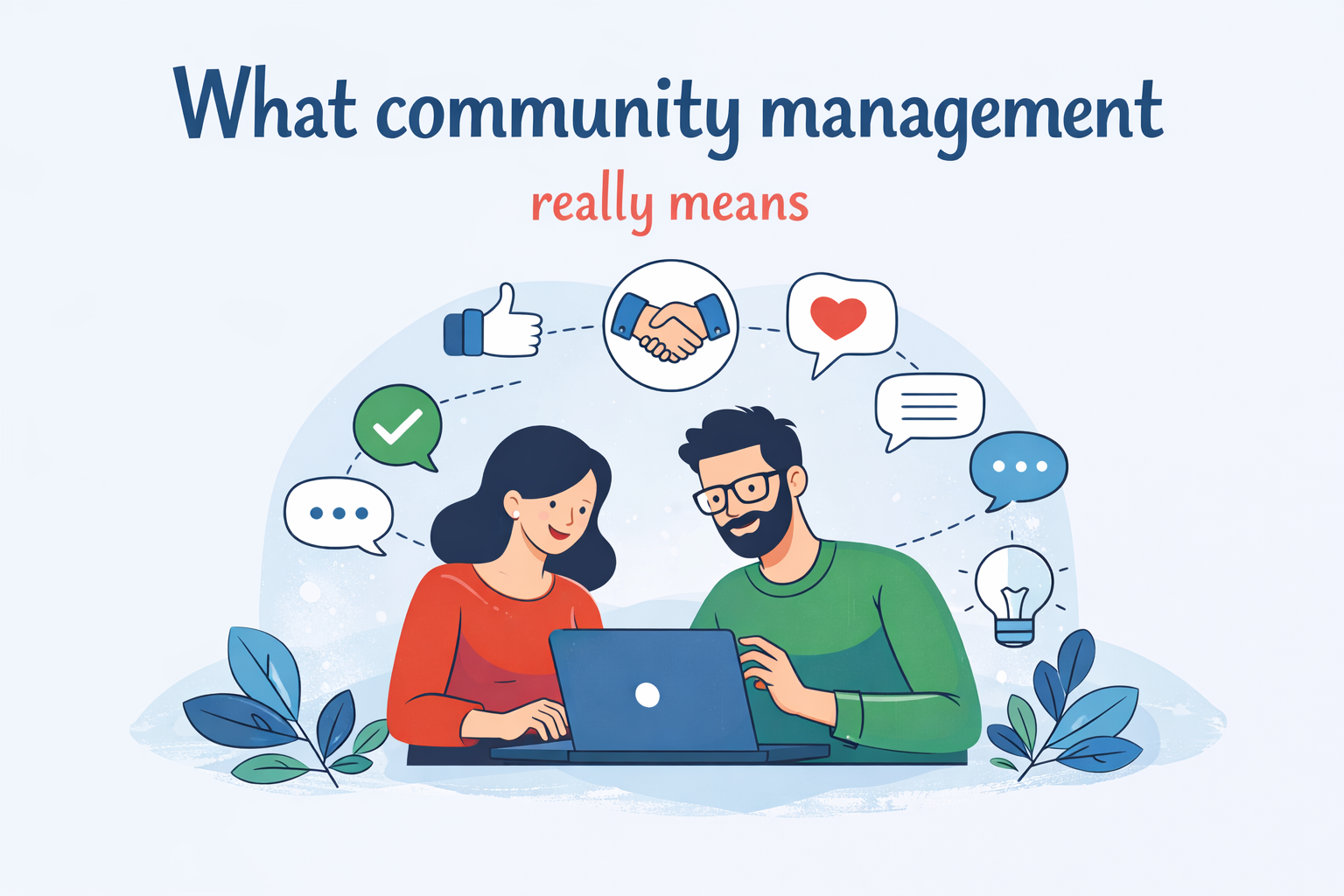
What community management really means
Community management is often misunderstood. Many brands think it starts and ends with answering comments. In reality, it means much more. It is the daily practice of building relationships between a brand and its audience. It includes how you respond, how you listen, and how you guide conversations around your business.
For potential clients, this matters because every interaction shapes perception. A comment under a post is not just a comment. It is a moment where someone checks your professionalism, your attention to detail, and your overall brand attitude. Likewise, a direct message is not only a question. It is often the start of trust.
This is where community management for brand growth becomes important. Strong communication helps your brand feel active, reliable, and approachable. In addition, it creates consistency across channels, which makes your business easier to understand and easier to trust. Over time, that consistency supports stronger engagement and better customer relationships.
Good community management also gives brands valuable insight. You see common questions, recurring concerns, and patterns in audience behaviour. Therefore, it does not only support communication. It also helps improve your wider marketing and customer experience. In short, community management is not a side task. It is an important part of how modern brands grow.
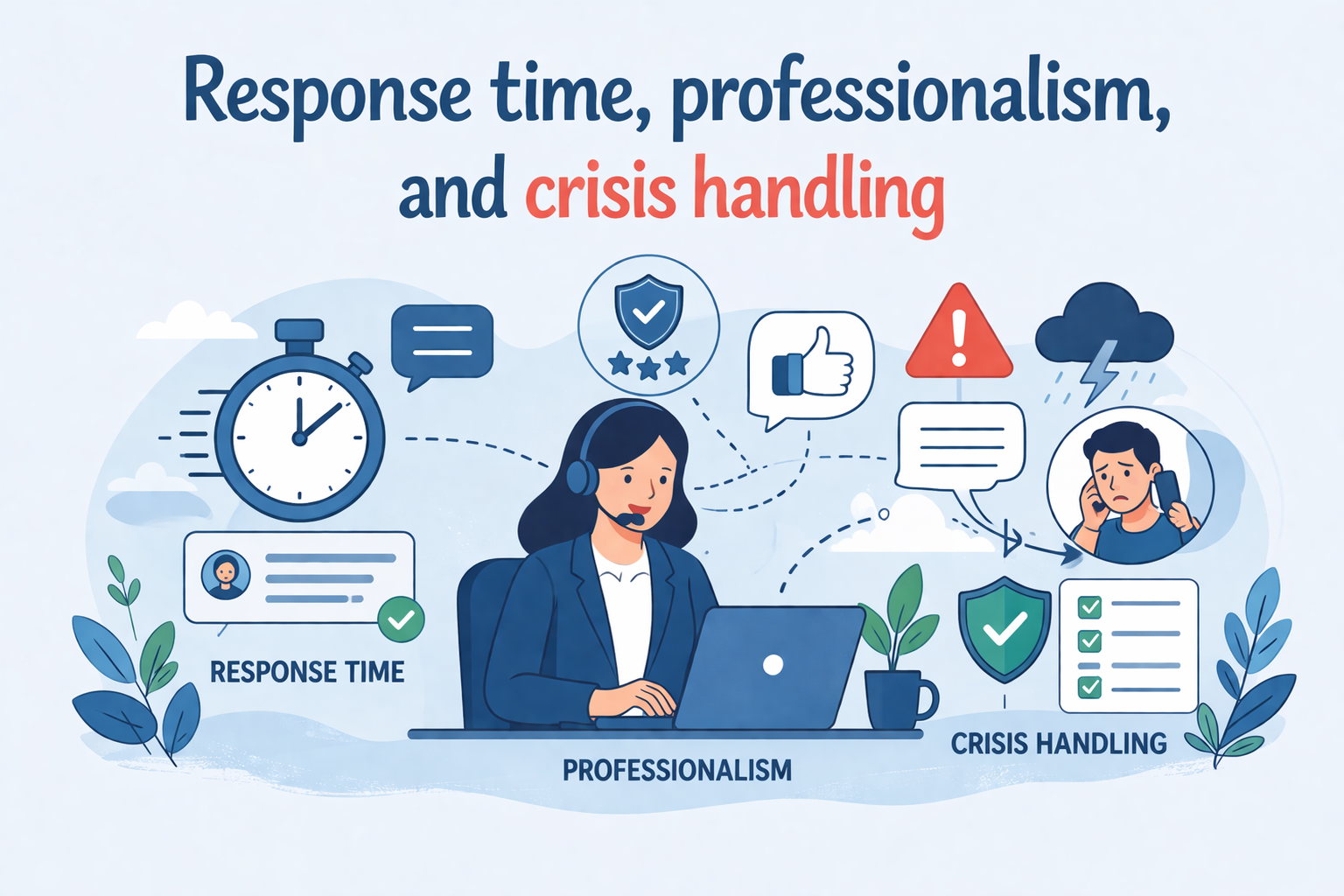
Response time, professionalism, and crisis handling
Online communication moves fast. Therefore, response time matters more than many brands expect. When people ask questions, raise concerns, or send direct messages, they want to feel noticed. A slow reply can create frustration. In some cases, it can even push a potential customer toward a competitor.
Still, speed alone is not enough. A fast response that feels vague, cold, or careless can do just as much damage. That is why professionalism matters at every stage. Your tone should be clear, respectful, and aligned with your brand voice. At the same time, your replies should feel human, not scripted. This balance helps build confidence and makes your brand more credible.
Crisis handling is another key part of strong community management. Negative comments, complaints, or public misunderstandings can escalate quickly. However, a calm and professional response can reduce tension and protect your reputation. First, the issue needs to be acknowledged. Then, the brand needs to respond with clarity and control. In many cases, that alone changes the tone of the conversation.
For potential clients, this is especially important. Strong response management shows that your brand can stay composed under pressure. As a result, even difficult situations can become proof of reliability, accountability, and care.
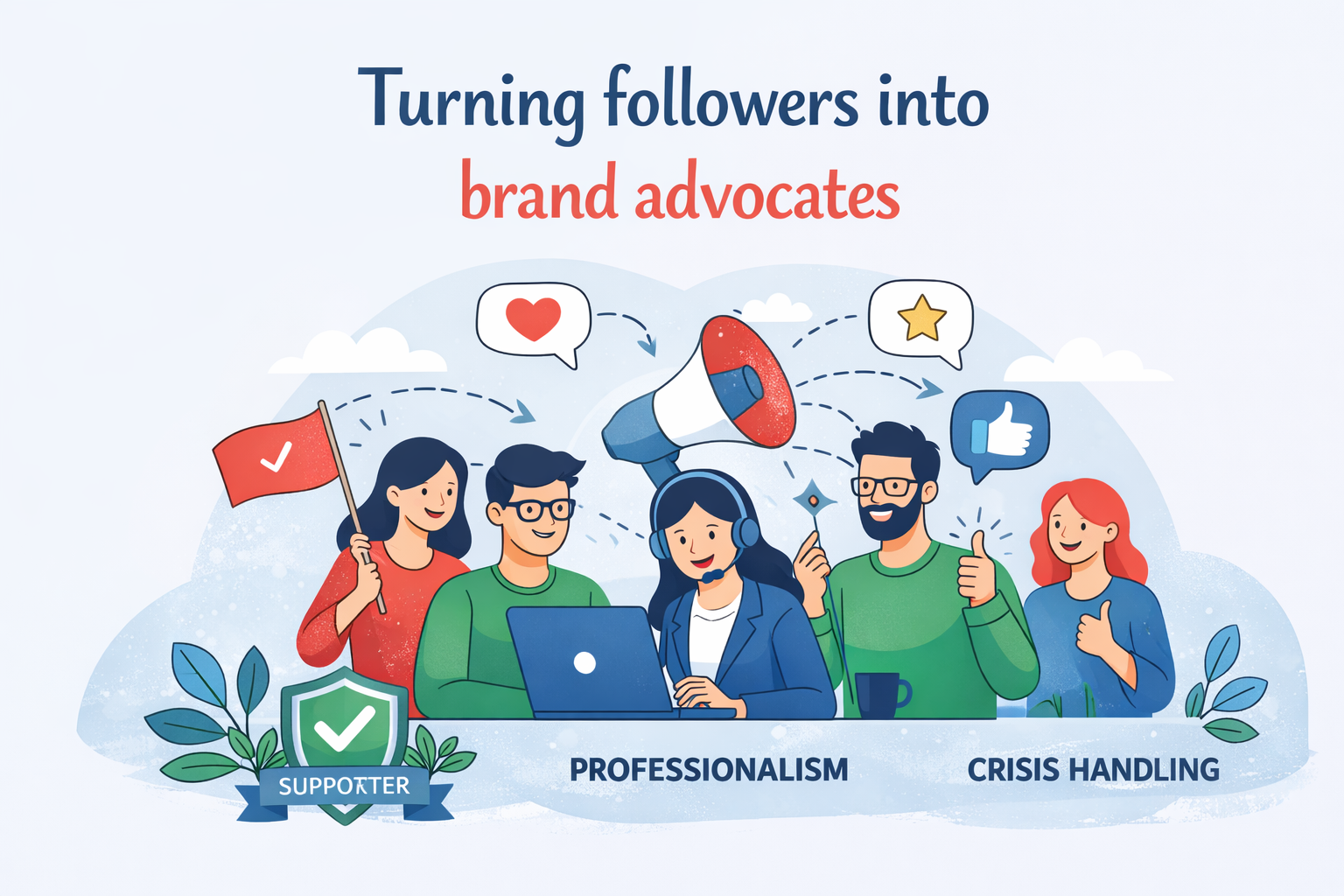
Turning followers into brand advocates
A strong community does more than engage with content. It supports your brand in public. That is why community management can become a real growth driver. When people feel seen, heard, and valued, they are more likely to stay connected. Over time, they also become more willing to recommend your brand to others.
This process does not happen by chance. It grows through regular, thoughtful interaction. For example, when a brand replies with care, acknowledges feedback, and joins conversations in a natural way, followers start to feel closer to it. As a result, trust grows. That trust can then turn into stronger loyalty, better word of mouth, and more organic support.
For potential clients, this has clear value. Brand advocates do more than like posts. People may discover your brand through a campaign, but they often decide how they feel about it through everyday contact. They notice your tone and response speed.
Most importantly, your brand needs to feel human and consistent. Moreover, they often influence buying decisions more effectively than paid campaigns alone. People trust people. Therefore, a loyal and engaged community can become one of your most credible marketing assets.
At LSP, we see engagement as more than activity. We see it as relationship building with long-term impact. When a brand invests in real interaction, it creates a stronger foundation for retention, trust, and steady growth. In other words, followers can become far more than an audience. They can become active supporters of your brand.
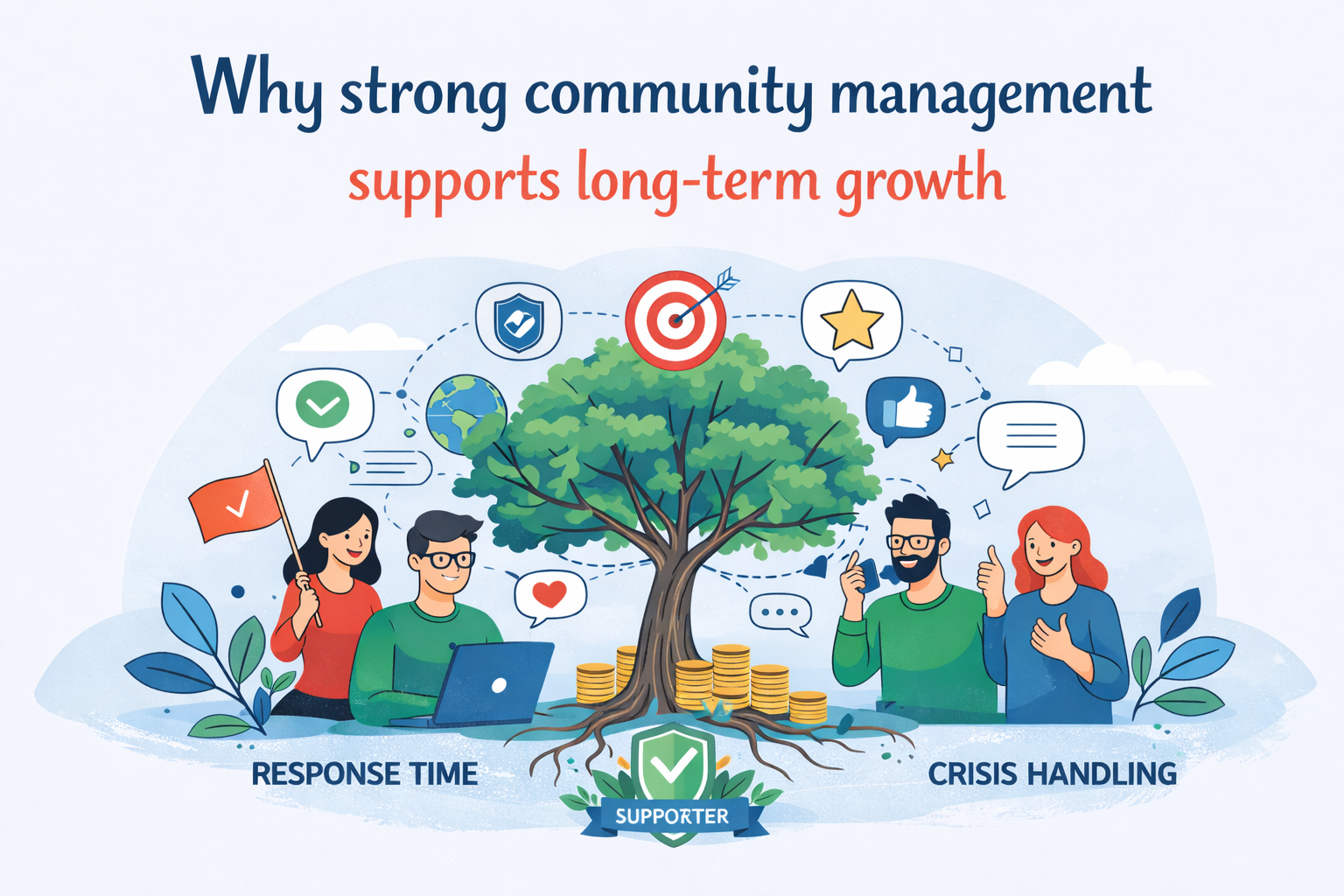
Why strong community management supports long-term growth
Community management may not always get the same attention as content production or paid campaigns. However, its impact is often just as important. It shapes how people experience your brand in real time. It affects trust, loyalty, and public perception across every interaction.
For potential clients, this makes community management a practical business tool. It helps your brand stay responsive, professional, and human. At the same time, it supports stronger customer relationships and protects your reputation when challenges appear. Therefore, it should not be treated as a secondary task.
When done well, community management creates value at every stage of the customer journey. It builds confidence early, supports engagement during active campaigns, and strengthens loyalty over time. So while it may work quietly in the background, its results are highly visible. In a crowded digital space, strong community management helps brands grow with more trust, more consistency, and more lasting connection.