
When a social media issue becomes a brand risk
Today, a brand crisis can start with one comment, one screenshot, or one unhappy customer. Then, within hours, the conversation can spread across LinkedIn, Instagram, Facebook, TikTok, or X. Because of this, crisis management on social media is no longer only a PR concern. It is a core part of protecting your brand online.
For many companies, the challenge is not only knowing what to say. It is knowing when to react, who should respond, and how to keep the message calm and consistent. As a result, more brands choose to outsource social media management to experienced teams that monitor channels, spot risks early, and act before small issues become public problems.
However, good crisis support is not just about damage control. It is also about preparation, clear processes, and smart communication. With the right partner, your company can respond faster, protect trust, and keep your online reputation under control.
Common crisis situations brands face online
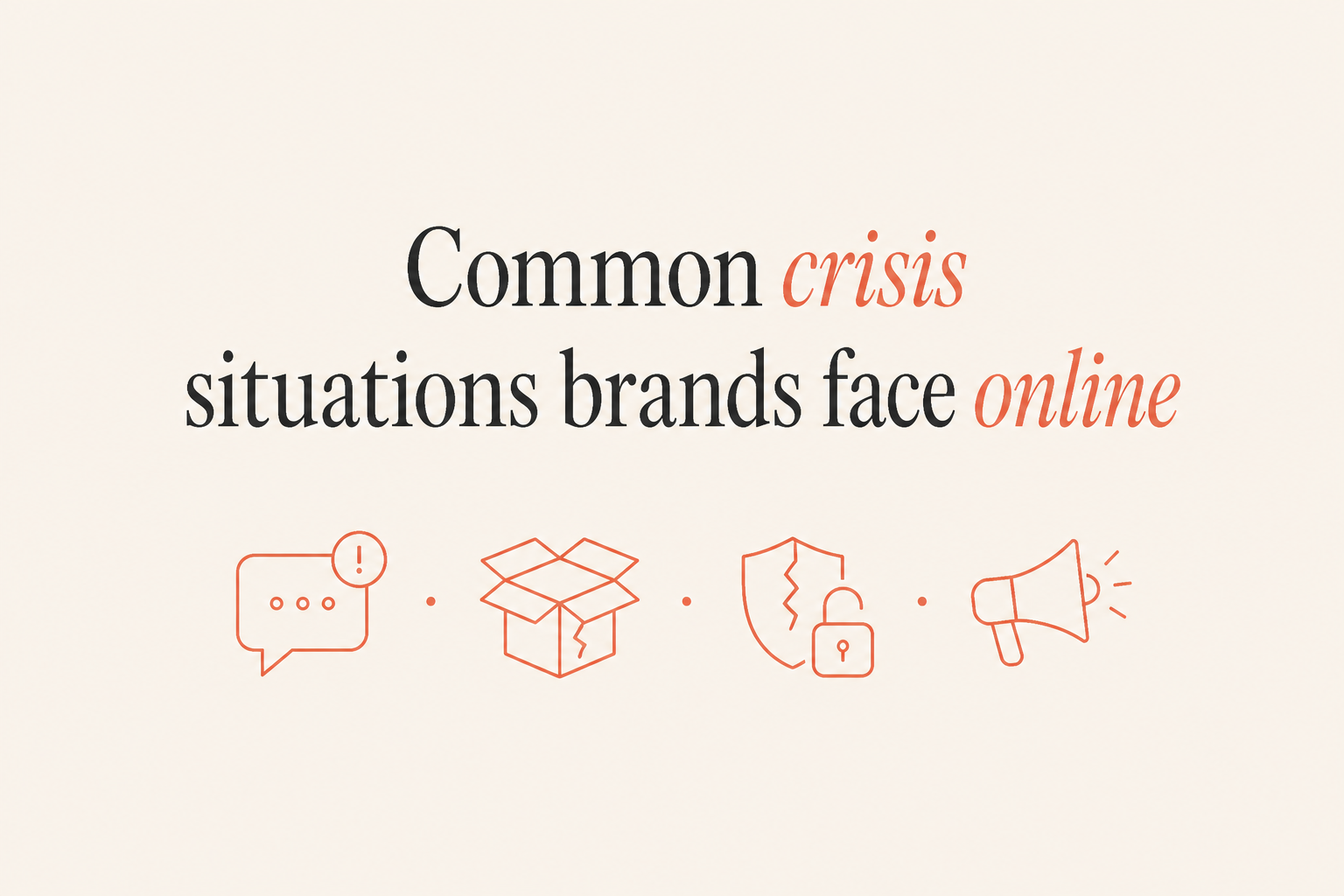
Not every negative comment is a crisis. However, some situations can quickly damage customer trust. For example, a complaint about poor service may gain attention if many people share similar stories. In another case, a product issue, delayed delivery, or billing problem can turn into a wider conversation.
Companies can also face crises caused by insensitive posts, misunderstood campaigns, employee behavior, data concerns, or public backlash. In addition, rumors and misinformation can spread fast, even when the brand has done nothing wrong. Because social media moves quickly, these issues can grow before an internal team has time to align.
This is where outsourced social media management can help. A professional team can separate normal feedback from real risk. Then, they can alert the right people, pause planned content, and prepare a suitable response. As a result, your brand does not react too late, too emotionally, or without a clear plan.
Warning signs you should never ignore
A crisis rarely appears without warning. Usually, there are signs before the situation becomes serious. For instance, you may notice a sudden increase in negative comments, repeated complaints about the same issue, or more people tagging your brand in angry posts. Also, the tone of the conversation may change quickly from frustration to public criticism.
Another warning signal is when influencers, journalists, or industry accounts join the discussion. Then, the issue can reach a much wider audience. In addition, negative mentions may start appearing across several platforms at once. This often shows that the problem is no longer isolated.
Because these signals can be easy to miss, companies benefit from ongoing monitoring. An outsourced social media team can track mentions, comments, messages, reviews, and sentiment every day. Therefore, your business can respond before the issue escalates. With early action, you can reduce confusion, support customers faster, and protect your brand’s reputation online.
A clear response plan before you need it
During a crisis, speed matters. However, speed only helps when your team knows what to do. Without a clear process, brands often lose time deciding who should respond, what can be said, and who must approve the message. As a result, the public conversation can grow while the company is still trying to align internally.
A strong crisis protocol gives your brand structure. First, it should define who monitors social media channels. Then, it should explain when an issue needs escalation. For example, a simple product question may go to customer support, while legal, PR, or leadership should review sensitive complaints.
This is another reason why companies outsource social media management. An experienced team can create clear workflows, prepare response templates, and know when to pause scheduled content. In addition, they can coordinate with your internal team during urgent moments. Therefore, your brand can respond with confidence instead of confusion.
How to communicate when everyone is watching
Public communication can shape how people remember the crisis. Therefore, your response should be calm, clear, and human. The first step is to acknowledge the concern. Even if you do not have every answer yet, you can show that your brand is aware of the situation and looking into it.
Next, focus on verified facts. Do not guess, exaggerate, or promise something your company cannot deliver. Instead, explain what happened, what you are doing now, and when people can expect another update. This helps reduce uncertainty and shows responsibility.
Tone also matters. For instance, defensive language can make customers feel ignored. However, an empathetic response can lower tension and protect trust. A professional social media team can help choose the right words, adjust the message for each platform, and keep communication consistent. As a result, your brand sounds prepared, respectful, and reliable, even during a difficult moment.
Turning a crisis into a reputation reset
A crisis does not end when comments slow down. In fact, the recovery stage is where many brands either rebuild trust or lose it further. After the situation is under control, your company should review what happened, what worked, and what needs to change.
Then, communicate the next steps when appropriate. For example, you may need to improve customer service, update internal policies, change approval processes, or offer a clearer support path. These actions show that your brand listened and learned.
However, reputation rebuilding takes time. One good statement will not fix everything. Consistent communication, useful content, and better customer interactions matter more. This is where long-term social media management becomes valuable. A trusted external team can help your brand return to regular communication carefully, rebuild audience confidence, and monitor sentiment after the crisis. Therefore, crisis management on social media becomes more than emergency support. It becomes part of a stronger, safer brand strategy.