
Website localization: how to make your website feel native in Polish
Why website localization matters for the Polish market
Website localization for the Polish market is more than translating words from one language into another. Polish users notice when a website sounds foreign. They also notice when buttons, forms, product pages or support messages feel awkward. As a result, even a well-designed website can lose trust if the language does not feel natural.
For LSP clients, this matters because your website often creates the first impression of your brand. A direct translation may explain what you offer. However, it may not persuade Polish customers to take action. Localization helps your message sound clear, credible and familiar.
It also adapts tone, user experience, cultural references and SEO. For example, a call to action that works in English may sound too direct or unnatural in Polish. In addition, Polish search behaviour can differ from English search behaviour. Therefore, localized content should match both local language habits and local search intent.
A strong localized website should not look translated. Instead, it should feel like it was created for Polish users from the start.
What website localization includes
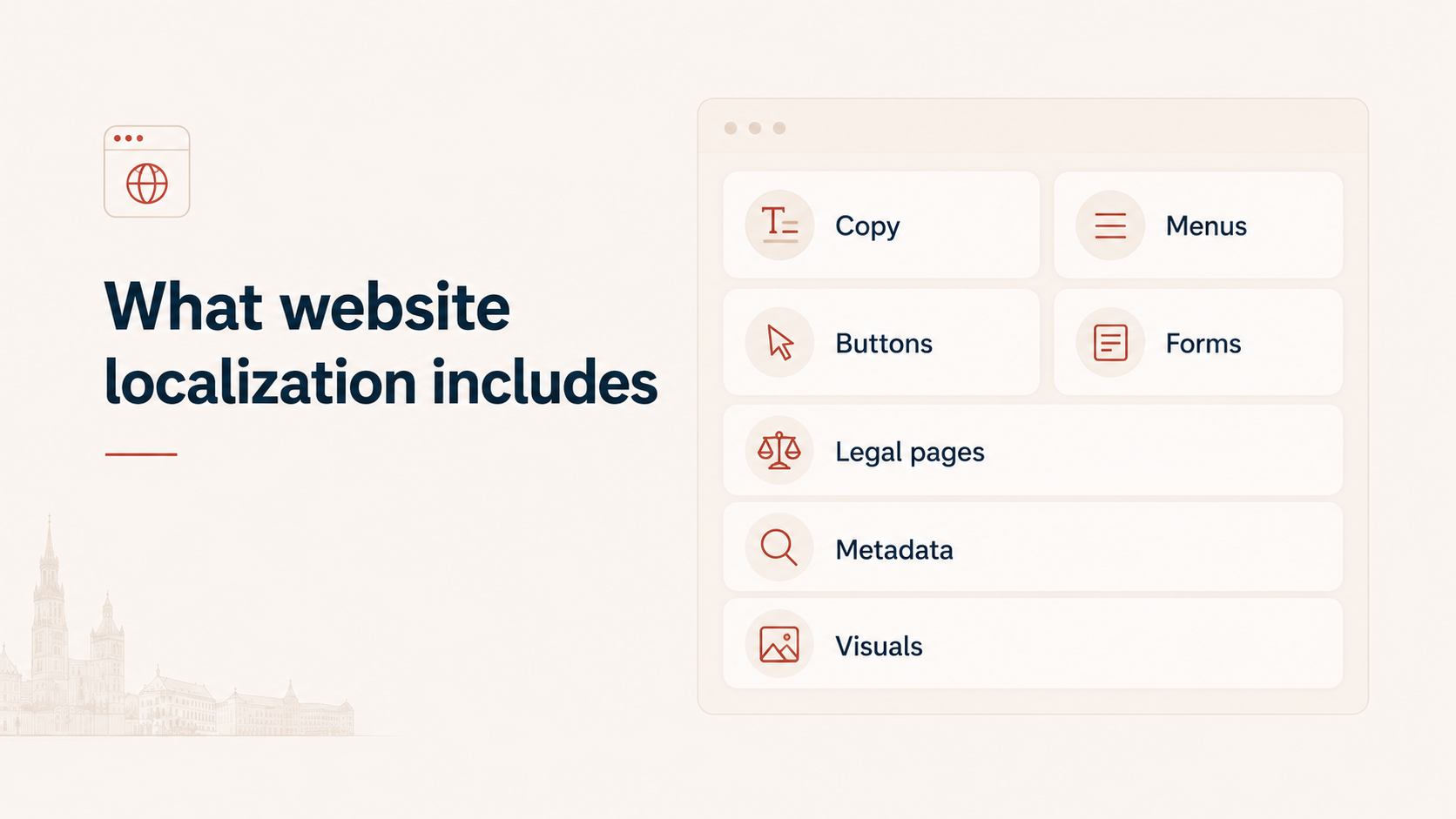
Website localization covers every part of the user journey. First, it includes the main website copy, such as homepage text, service descriptions, product pages and landing pages. These sections need to sound natural, but they also need to support your sales goals.
Next, localization includes menus, buttons, forms and error messages. These small elements are easy to overlook. However, they have a direct impact on user experience. For example, a poorly translated button can make the next step unclear. As a result, users may leave the page before they convert.
In addition, legal pages, privacy policies and terms of service need careful attention. Polish users expect clear and compliant wording, especially when they share personal data or make a purchase. Metadata also matters because titles and descriptions influence how your website appears in search results.
Finally, visuals should match the local market. Images, icons, examples, currencies, dates and address formats can all affect how native your website feels. Therefore, professional localization looks at the whole website, not only the visible text.
Why Polish requires special attention
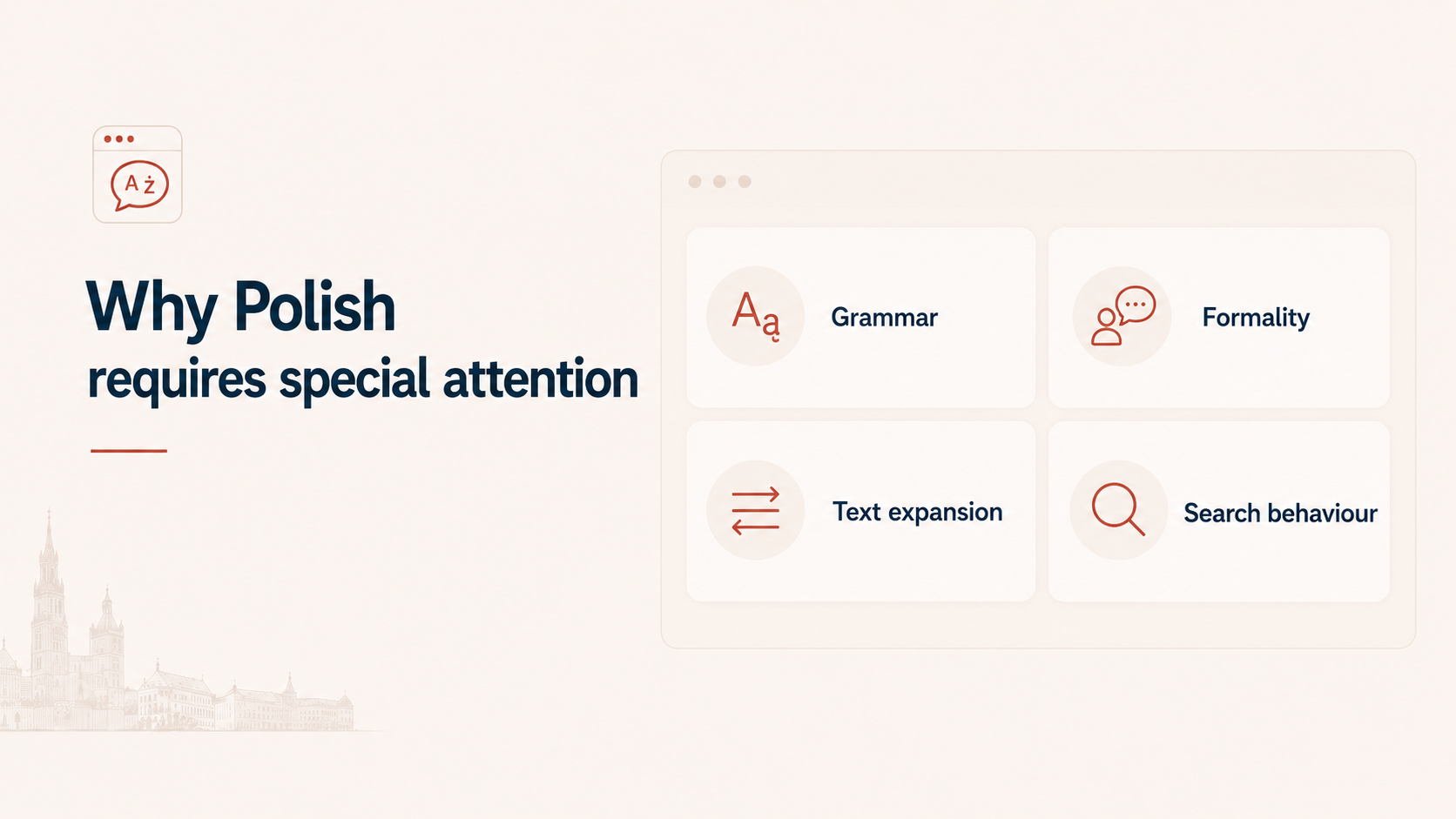
Polish needs careful handling because the language has complex grammar. Word endings change depending on case, gender and number. As a result, a sentence that looks correct in isolation may sound wrong inside a button, form or product filter.
Formality also plays an important role. Polish users expect different levels of tone depending on the brand, industry and context. For example, a B2B website may need a more professional tone, while an app or lifestyle brand can sound lighter and more direct. However, the tone still needs to feel respectful and natural.
In addition, Polish text often expands when translated from English. This can affect menus, buttons, banners and mobile layouts. Therefore, localization teams should check how the text looks inside the actual interface, not only in a document.
Local search behaviour is another key factor. Polish users may search with different terms than English-speaking users. They may also prefer specific phrases, word forms or service-related queries. Because of this, SEO localization should adapt keywords, metadata and headings to real Polish search intent.
Common website localization mistakes to avoid
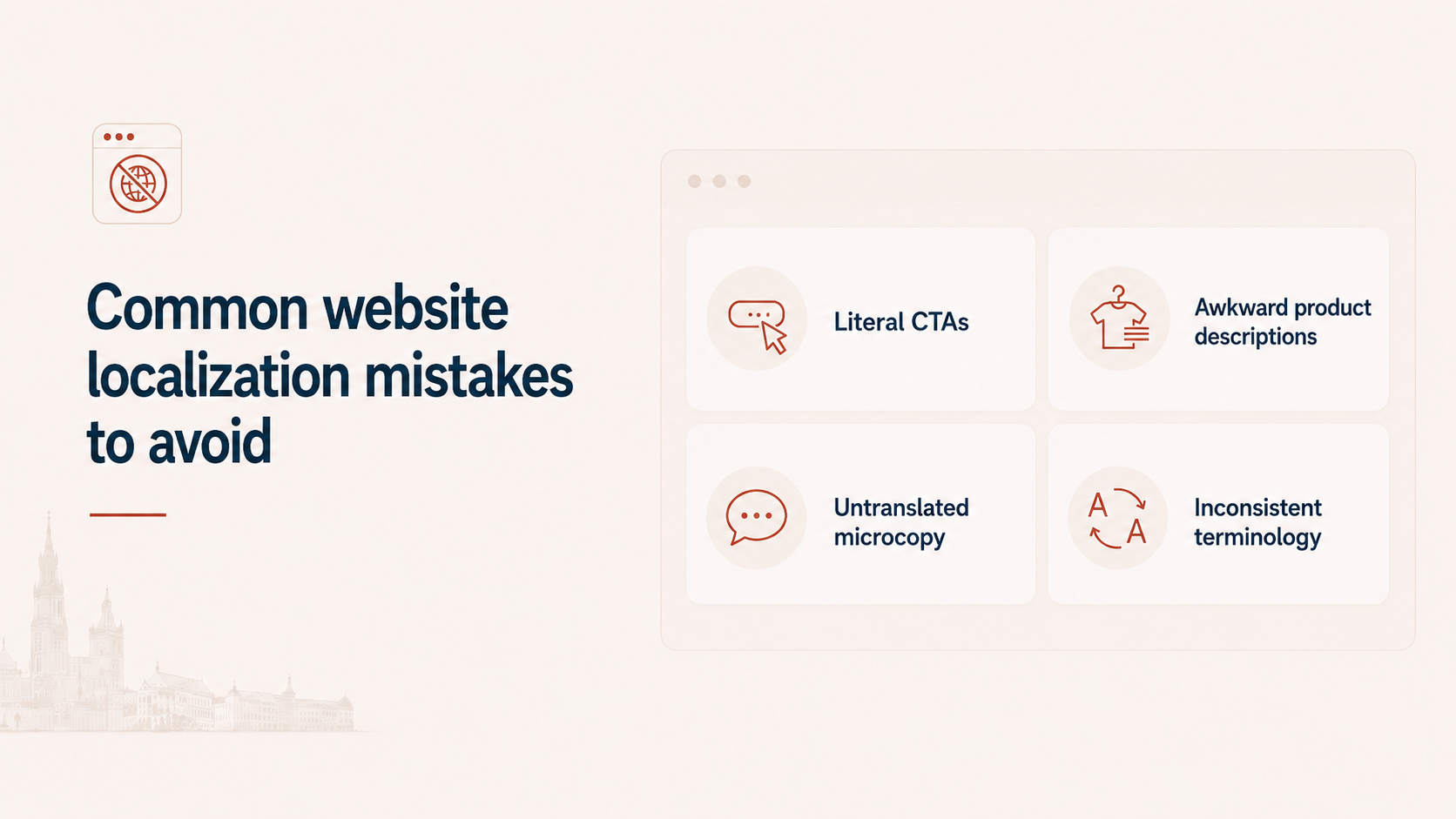
Many companies enter the Polish market with content that looks translated instead of localized. One common mistake is using literal calls to action. For example, a phrase that sounds strong in English may sound unnatural or too pushy in Polish. As a result, users may hesitate instead of clicking.
Another issue is awkward product or service descriptions. Polish buyers expect clear information, but they also expect language that sounds smooth and credible. Therefore, content should not only be correct. It should also feel natural in context.
Untranslated microcopy is another frequent problem. Buttons, form labels, checkout messages, cookie banners and error notifications often remain in English. However, these small elements shape the user experience. If they feel inconsistent, the whole website can seem unfinished.
In addition, inconsistent terminology can confuse users. This is especially important for LSP clients with technical, legal, medical, SaaS or e-commerce content. When the same service, product or feature has several Polish names, users may lose confidence. Because of this, professional localization should include terminology management from the start.
How professional localization builds trust and conversions
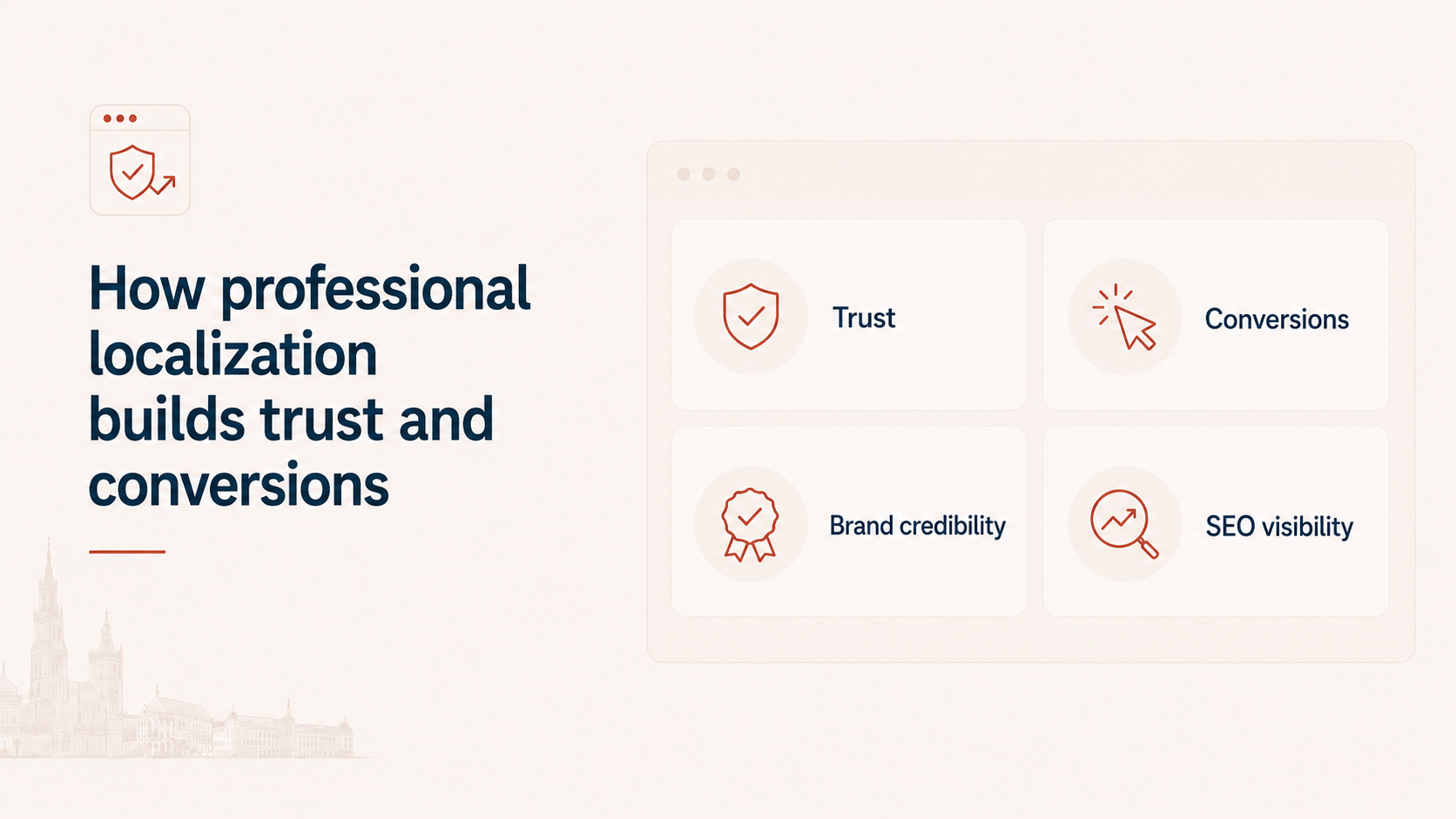
Professional website localization helps Polish users understand your offer faster. It also shows that your brand knows their market. This matters because trust plays a key role in online decisions, especially when users compare several providers.
For LSP clients, localization can directly support conversions. Clear headings, natural calls to action and well-adapted service pages guide users through the website. As a result, visitors know what to do next. They can request a quote, book a consultation, complete a purchase or contact your team with less friction.
In addition, localized SEO improves visibility in Polish search results. Professional localization adapts keywords, metadata and page structure to the way Polish users actually search. Therefore, your website can attract more relevant traffic, not only more visits.
Brand credibility also improves when the language feels consistent. A polished Polish website shows that your company takes the local audience seriously. Moreover, it reduces the risk of confusion, hesitation and mistrust. When users feel that the website speaks their language naturally, they are more likely to stay, engage and convert.
A localized website should feel native
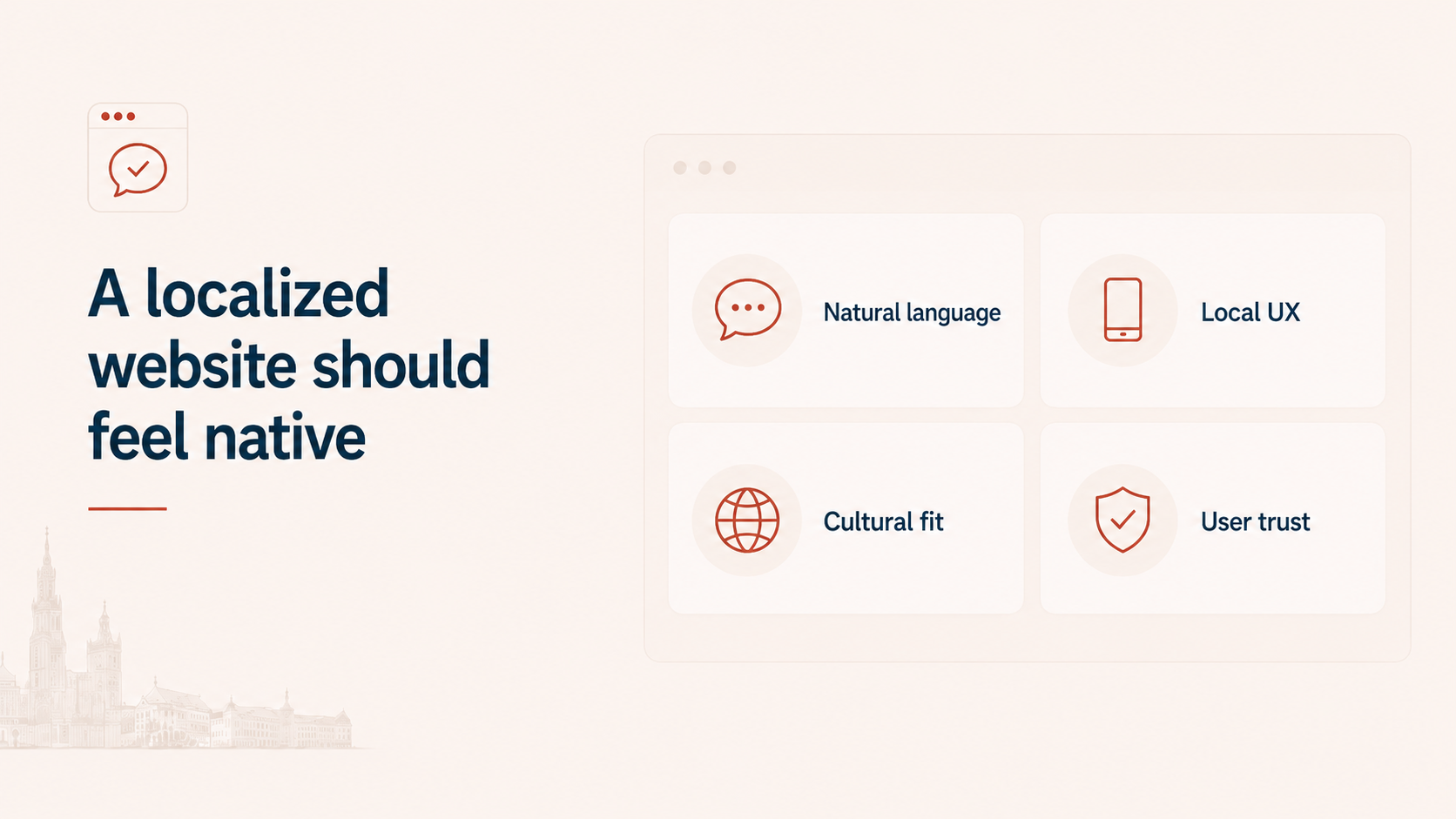
A localized website should not look like a translated version of your original site. Instead, it should feel as if it was created for Polish users from the beginning. That means the language, tone, layout, SEO and user experience all need to work together.
For companies entering the Polish market, this can make a real difference. Users are more likely to trust a website that sounds natural, answers their questions clearly and respects local expectations. However, they may quickly leave a page that feels awkward, inconsistent or foreign.
Professional localization is not only a language task. It is also a business decision. With the right approach, your brand can communicate with confidence, support conversions and build stronger relationships with Polish customers.
In the end, successful website localization makes every part of the user journey feel familiar. From the first search result to the final contact form, Polish users should feel that the website was made with them in mind.