
Why your business needs a social media plan
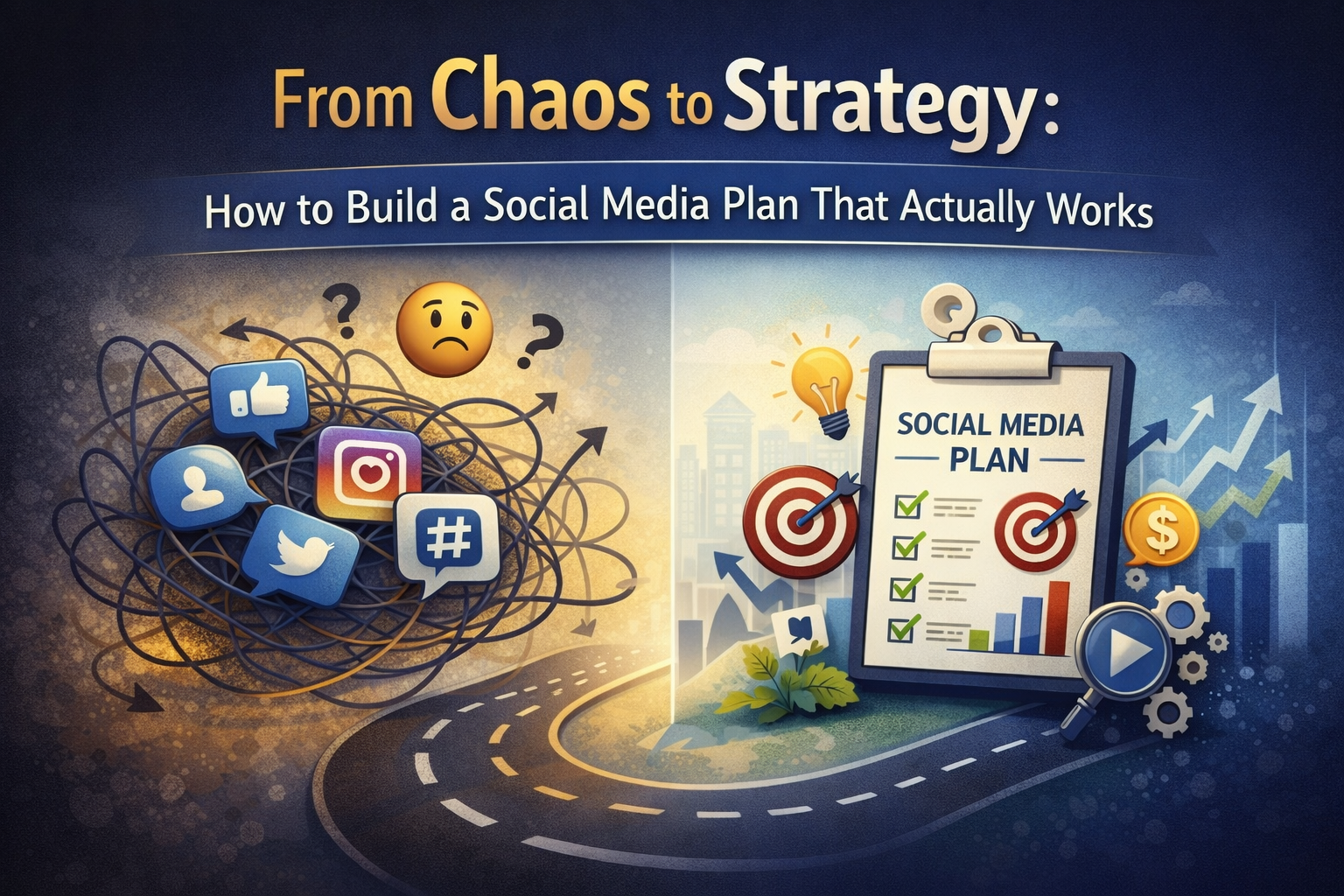
Many companies post on social media without a clear direction. As a result, their content feels inconsistent and unfocused. One week they publish frequently, yet the next week their channels remain silent. This pattern creates confusion for audiences. Moreover, it rarely supports real business growth.
A social media plan changes that situation. Instead of reacting to trends, businesses follow a structured approach. Therefore, every post supports a larger marketing objective. In addition, a clear plan helps teams maintain consistent messaging across platforms.
Today, potential clients often research brands online before making contact. Consequently, your social media presence shapes first impressions. Random posts may generate short-term activity. However, they rarely build trust or authority.
A strong social media strategy connects goals, audience insights, and content planning. It also provides structure for publishing and performance tracking. This article explains how businesses can move from chaotic posting to a focused system. With the right plan, social media becomes a tool that supports visibility, credibility, and long-term growth.
Why random posting doesn’t work
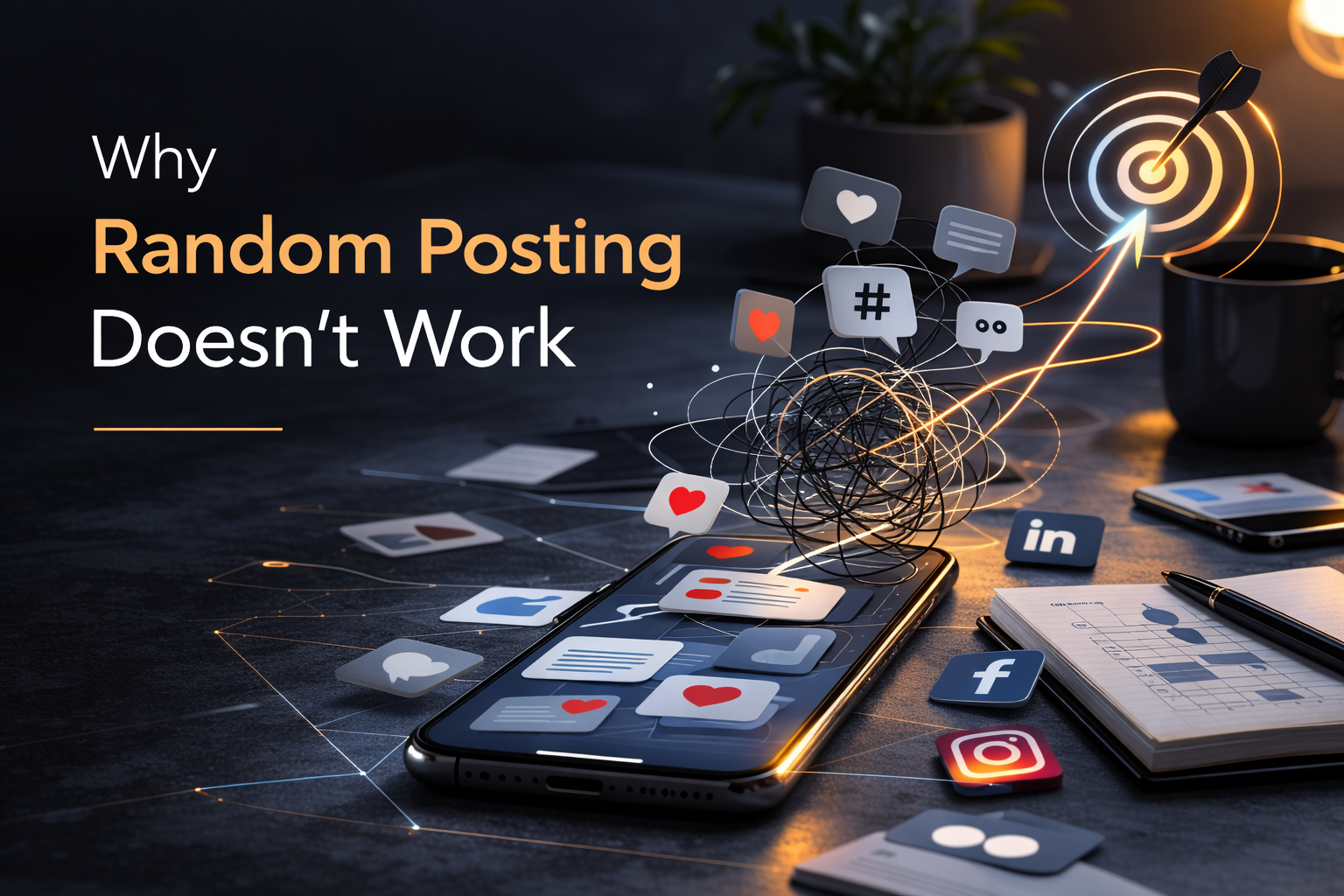
Many brands still approach social media without a strategy. Instead, they post whenever they have time or inspiration. As a result, content becomes inconsistent. Audiences struggle to understand what the brand actually represents.
Random posting also weakens long-term visibility. Social media algorithms reward consistency and relevance. Therefore, irregular activity often reduces reach. In addition, scattered topics make it harder for audiences to recognize expertise.
Another problem involves unclear messaging. When posts lack direction, they rarely connect to business objectives. Consequently, companies may see likes or comments but no meaningful outcomes. Potential clients want helpful insights and clear positioning. However, random content rarely delivers that value.
Moreover, inconsistent posting makes internal collaboration difficult. Marketing teams cannot plan campaigns or coordinate announcements. As a result, opportunities for storytelling and brand building are lost.
A structured social media plan solves these challenges. Clear goals guide content decisions. Consistent themes strengthen brand identity. With a defined strategy, each post becomes part of a larger communication system rather than an isolated update.

Start with clear business goals
A successful social media plan begins with clear business goals. Without defined objectives, content quickly loses focus. Therefore, companies should first decide what they want social media to achieve.
Different goals require different approaches. Some brands focus on awareness and visibility. In this case, educational content and industry insights work well. Other businesses prioritize lead generation. Consequently, they may highlight case studies, webinars, or service explanations.
Sales support can also shape a social media strategy. For example, product demonstrations or client success stories help prospects evaluate solutions. In addition, many organizations use social media to strengthen customer relationships. Retention-focused content may include updates, tutorials, or community engagement.
However, these goals should connect to the broader marketing strategy. Social media cannot operate in isolation. Instead, it should support sales pipelines, brand positioning, and customer experience.
Clear goals also make success measurable. Teams can track engagement, website visits, or lead inquiries. As a result, social media efforts become more strategic and predictable.

Identify your audience and choose the right platforms
A strong social media plan must focus on the right audience. Without clear personas, even well-designed content may miss its target. Therefore, businesses should first define who they want to reach. Potential clients often have different roles, priorities, and challenges. As a result, messaging must address those differences directly.
Audience personas help structure this process. For example, companies may analyze job roles, decision-making authority, and typical pain points. In addition, content preferences matter. Some audiences prefer short insights and quick updates. Others value in-depth articles, reports, or expert commentary.
Once personas are clear, platform selection becomes easier. Not every social network serves the same purpose. LinkedIn often works best for B2B communication. Meanwhile, visual platforms may support brand storytelling or employer branding. Therefore, businesses should focus on channels where their audience already spends time.
Choosing the right platforms also improves efficiency. Instead of spreading resources too thin, companies can invest in fewer channels with higher impact. Consequently, the social media plan becomes more focused and sustainable.

Build a content framework and editorial calendar
Content planning transforms strategy into daily action. Without structure, even a strong social media plan can lose momentum. Therefore, companies should develop clear content pillars. These pillars represent the main themes the brand will consistently discuss.
For example, one pillar may focus on industry insights. Another may highlight client success stories or practical tips. In addition, educational content can position the company as a trusted expert. As a result, audiences begin to associate the brand with valuable knowledge.
A messaging framework also improves clarity. Each pillar supports a specific aspect of the brand’s positioning. Consequently, content remains consistent across campaigns and platforms.
An editorial calendar then turns this framework into a practical schedule. Marketing teams can plan posts weeks or months in advance. This approach allows better coordination with campaigns, events, and product launches. Moreover, planning reduces last-minute pressure and improves quality.
With a structured calendar in place, the social media plan becomes predictable and easier to manage.

From random activity to strategic growth
A well-designed social media plan transforms chaotic posting into a clear communication strategy. Instead of reacting to trends, companies act with purpose. As a result, each post supports broader marketing and business objectives.
Clear goals, defined audiences, and structured content frameworks create a strong foundation. In addition, careful platform selection ensures that efforts reach the right people. When these elements work together, social media becomes a reliable growth channel rather than a time-consuming task.
However, strategy does not end with publishing. Performance tracking and regular optimization are essential. Teams should review engagement, traffic, and lead indicators to understand what works best. Consequently, future content becomes more targeted and effective.
Businesses that treat social media as a strategic system gain a significant advantage. Over time, consistent messaging and valuable insights strengthen credibility. Ultimately, a structured social media plan helps brands build trust, visibility, and long-term client relationships.