
Why social media management in 2026 matters
Social media management today goes far beyond publishing posts. It connects marketing, branding, and sales into one coherent system. For potential clients, this means every post should support a business objective. Clear positioning and defined audiences create that alignment.
Modern platforms prioritize relevance and interaction, which pushes brands to deliver real value. Educational insights, case studies, and expert commentary build authority over time. Consistency also strengthens brand recognition across channels.
Prospects increasingly use social media as a research tool. Activity levels, engagement quality, and topic focus influence credibility. An inactive profile can raise concerns, while a structured presence builds confidence.
Data now drives decision-making. Rather than focusing only on likes, companies monitor engagement quality and lead signals. With measurable goals in place, social media management becomes strategic and performance-oriented instead of reactive.
What social media management really means today
Social media management today goes far beyond publishing posts. Instead, it connects marketing, branding, and sales. For potential clients, this means every post should support a business objective. Therefore, content must align with clear positioning and target audiences.
Moreover, modern platforms prioritize value and interaction. As a result, brands must create educational and relevant content. For example, insights, case studies, and expert opinions build authority. In addition, consistent messaging strengthens recognition across channels.
At the same time, social media now functions as a research tool. Prospects evaluate expertise based on activity and engagement. Consequently, inactive or inconsistent profiles raise doubts. However, a structured presence builds confidence.
Furthermore, data plays a central role. Instead of focusing only on likes, companies track engagement quality and lead signals. Therefore, social media management becomes measurable and strategic. In 2026, it is a business function, not a side task.

Core pillars of effective social media management
Effective social media management in 2026 rests on clear foundations. Strategy comes first, as it defines goals and target audiences. Without direction, content quickly loses focus.
Content transforms strategy into visibility. High-quality insights and client stories typically outperform generic updates. Regular publishing builds familiarity and long-term trust.
Community engagement plays an equally important role. Active responses to comments and messages demonstrate reliability. Meaningful interaction strengthens brand perception and encourages dialogue.
Analytics provide the feedback loop. Performance data highlights which themes generate interest and which require adjustment. Paid support then amplifies the strongest content, expanding reach among relevant audiences.
Together, these pillars create a structured system that supports measurable growth.

Choosing the right platforms for your brand
Not every platform will serve your business goals. Therefore, platform selection should follow strategy, not trends. In 2026, LinkedIn remains the strongest B2B channel for most professional services. As a result, many potential clients begin their research there. However, this does not mean every company needs to be everywhere.
For example, some brands benefit from YouTube if they produce educational videos. Meanwhile, others may use Instagram to strengthen employer branding. Consequently, each platform should have a defined role. In addition, resources must match ambition. A focused presence on one or two channels often delivers better results than weak activity on five.
Moreover, audience behavior should guide decisions. Where does your target client spend time? What type of content do they consume? Therefore, research and testing become essential. Choosing the right platforms allows you to concentrate effort, control budgets, and build authority more effectively.
Building workflows and approval systems
Strong social media management requires clear internal processes. Without structure, content becomes inconsistent and delayed. Therefore, companies should define roles early. Content creation needs ownership. Review responsibilities must be assigned. Final approval should follow a clear path. Clear answers reduce confusion and speed up execution.
Well-documented workflows also protect brand consistency. Tone of voice guidelines, for instance, help maintain clarity across posts. Approval systems further reduce compliance and reputational risks. Such safeguards become especially important when content includes industry insights or client references.
Planning adds another layer of efficiency. Editorial calendars align posts with campaigns, events, and product launches. As a result, teams avoid last-minute pressure. At the same time, flexibility remains essential. Rapid responses to industry news can significantly increase visibility.
In the end, structured systems support both quality and consistency. A reliable process ensures your social media presence stays professional and aligned with business goals.
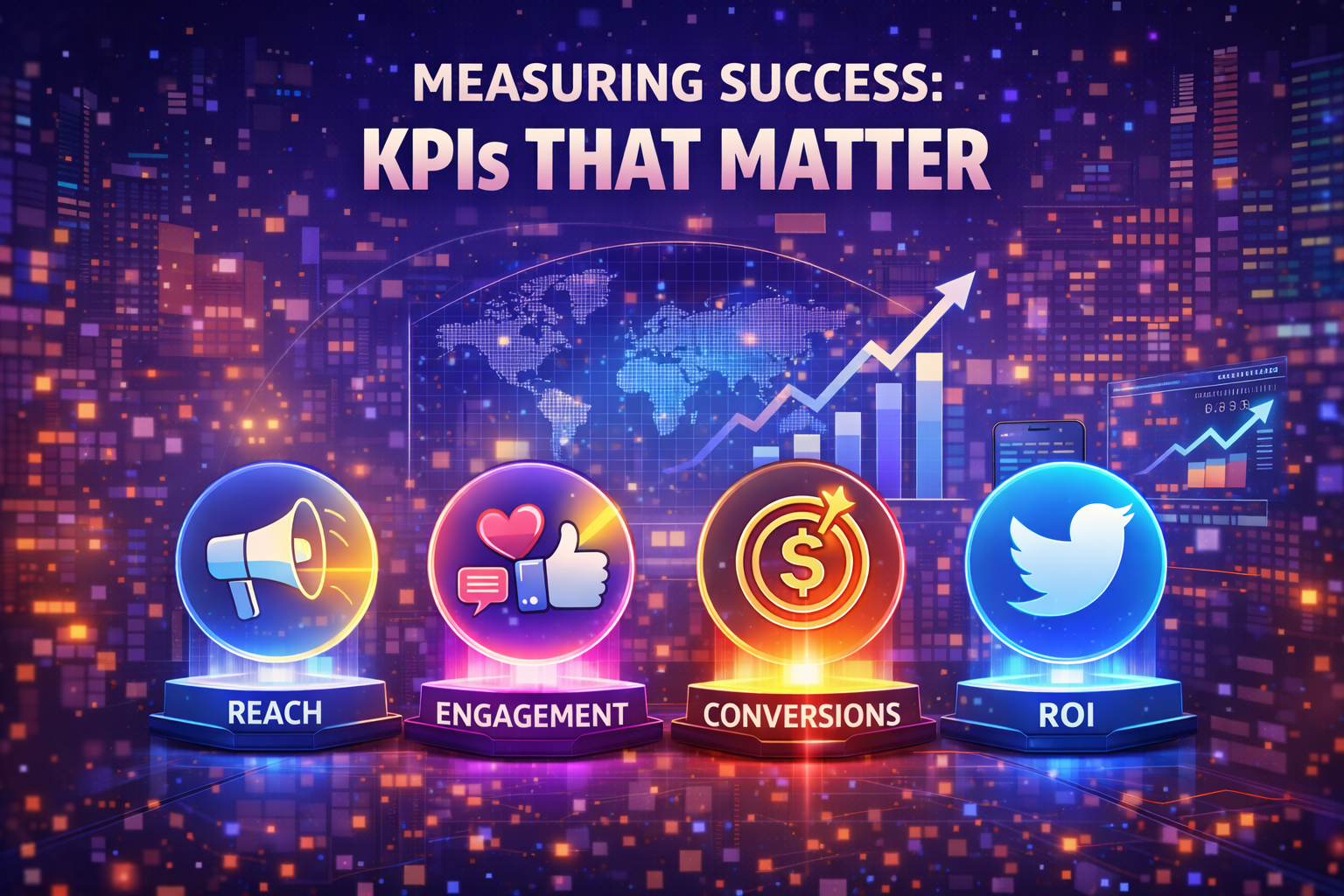
Measuring success: KPIs that matter
Measuring results is essential in social media management in 2026. Many companies, however, still focus on vanity metrics. Although likes and follower counts look impressive, they rarely reflect business impact. Instead, potential clients should track indicators that connect directly to growth.
Engagement quality matters more than sheer volume. Reactions from decision-makers carry greater value than passive likes. Click-through rates also reveal whether content sparks genuine interest. This data highlights which topics attract serious prospects.
Traffic from social platforms offers another important signal. When visitors explore service pages or case studies, intent is likely strong. Social media then functions as a lead-support channel rather than just a branding tool. Conversion tracking adds further clarity. Newsletter sign-ups or demo requests provide measurable proof of performance.
Long-term consistency ultimately defines success. A single viral post rarely builds sustainable growth. Steady engagement trends, however, indicate strengthening brand authority. With the right KPIs in place, social media management becomes strategic and results-driven.
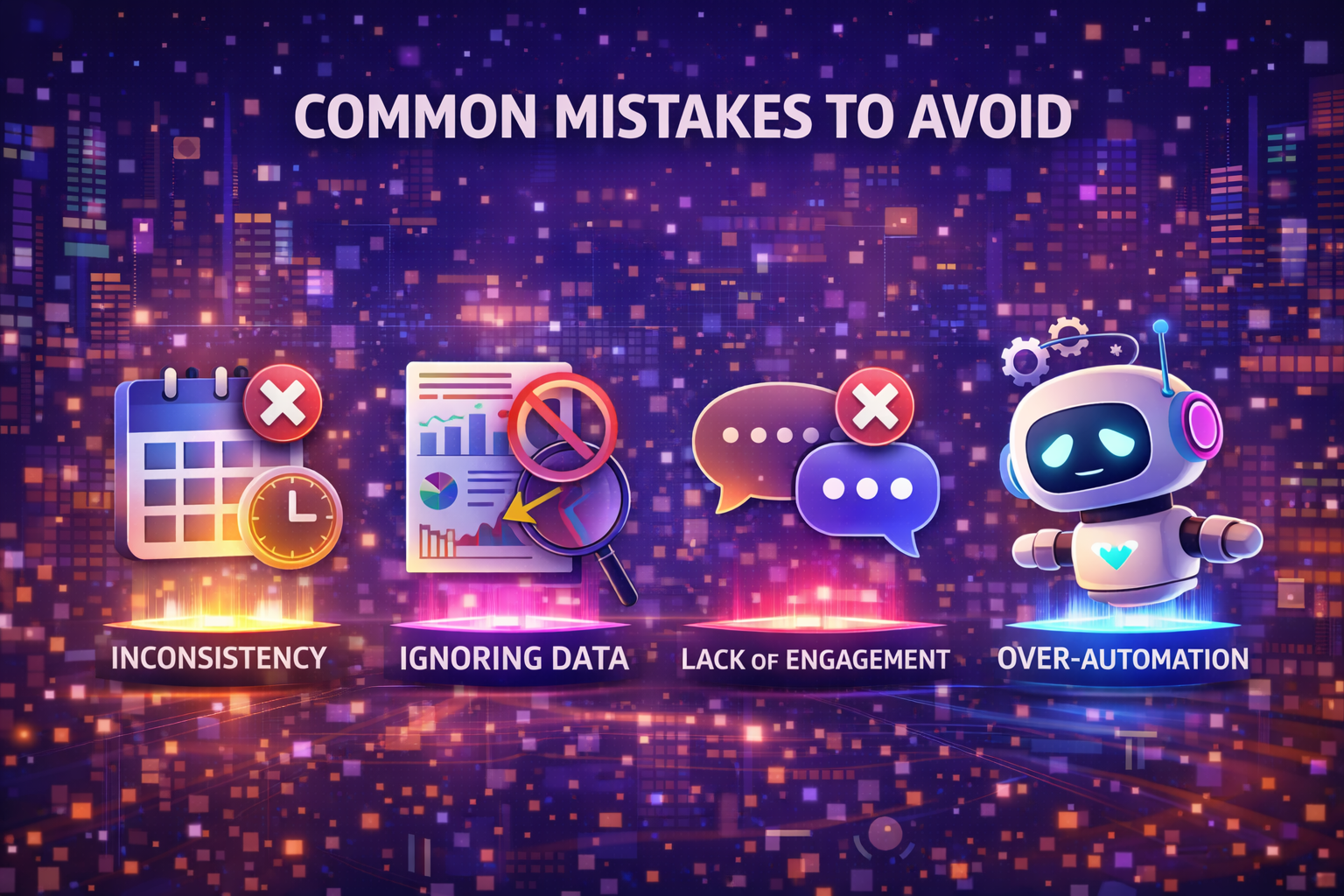
Common mistakes to avoid
Even strong brands make avoidable mistakes in social media management. First, inconsistency damages credibility. Posting heavily for one month and then disappearing creates doubt. Therefore, a realistic publishing schedule is better than ambitious bursts.
Second, many companies focus too much on promotion. However, audiences expect value, not constant sales messages. As a result, overly promotional content reduces engagement. In addition, ignoring comments and messages weakens relationships. Social media requires dialogue, not broadcasting.
Moreover, unclear positioning confuses potential clients. If your messaging shifts frequently, trust decreases. Consequently, brand clarity must guide every post. Another common error is avoiding analytics. Without data, improvement becomes difficult.
Finally, copying competitors rarely works. While inspiration helps, authenticity builds authority. Therefore, your voice and expertise should shape your presence. When companies avoid these mistakes, social media management becomes a reliable driver of visibility and growth.