The translator’s toolkit: CAT tools and QA for medical projects
Technology is now part of the translator’s job
Medical translation no longer relies on language skills alone. Today, technology plays a central role in almost every project. As a result, CAT tools and QA systems have become standard in medical workflows.
For LSP clients in the medical industry, this shift often happens behind the scenes. However, it directly affects quality, consistency, and timelines. That is why understanding CAT tools for medical translation matters, even if you never open the software yourself.
At the same time, aspiring medical translators quickly notice a change. Language learning continues, but it now happens inside tools. Terminology, repetition, and structure all shape how translators work and learn.
For LSP professionals, technology connects people and processes. It supports collaboration. It also reduces risk. Therefore, CAT tools are not optional add-ons. They are part of professional medical translation.
Healthcare educators see the impact as well. Students no longer train only with static texts. Instead, they work with live terminology and evolving content.
So what exactly do CAT tools do in medical projects? And why do they matter so much for both quality and learning? To answer that, we first need to look at how CAT tools shape everyday translation work.
CAT tools as the foundation of medical translation work
CAT tools as the foundation of medical translation work
CAT tools form the backbone of modern medical translation. They do not translate on their own. Instead, they support translators at every step. As a result, they help manage complexity.
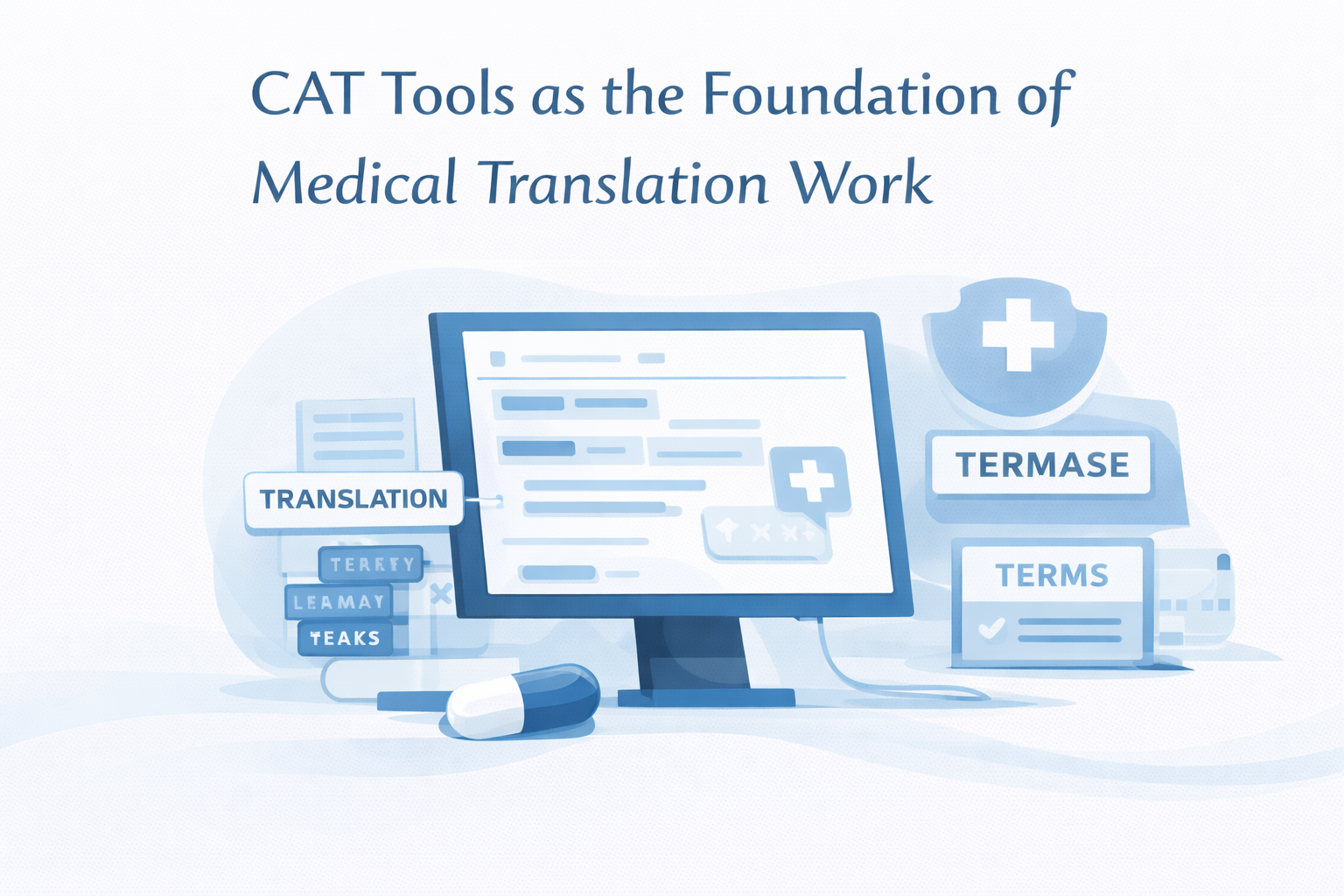
At their core, CAT tools break text into segments. Each segment becomes easier to handle. At the same time, translation memories store previous work. Therefore, repeated phrases stay consistent across documents.
This consistency is critical in medical content. For example, dosage instructions or warnings must match earlier versions. Because of that, CAT tools reduce variation and improve reliability.
In addition, termbases guide translators toward approved terminology. This matters when multiple linguists work on the same project. Consequently, clients receive coherent output across languages and updates.
For translators, CAT tools also support learning. Each project reinforces patterns. Over time, exposure builds subject expertise. In this way, technology and language development move together.
For LSP clients, the benefit is predictability. For project managers, it is control. And for educators, it is a realistic training environment. In short, CAT tools create structure where medical translation demands it most.
Terminology management: where tools and expertise intersect
Terminology management: where tools and expertise intersect
Terminology sits at the heart of medical translation. One term used incorrectly can change meaning. Therefore, managing terminology is not optional.
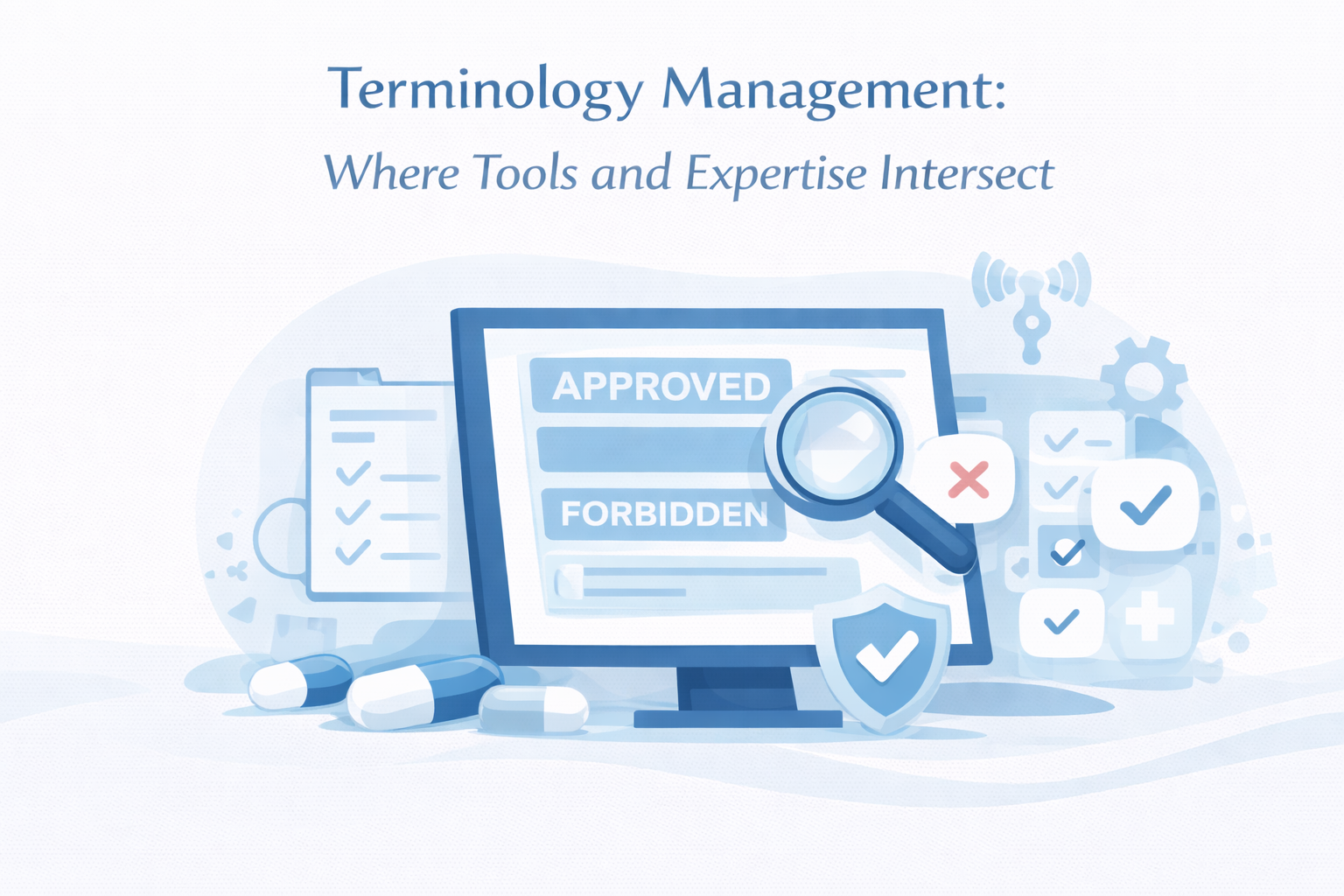
CAT tools make this task manageable. They highlight preferred terms. They also flag forbidden ones. As a result, translators make informed choices while working, not after delivery.
However, tools alone are not enough. Translators still need to understand context. For example, the same term may behave differently across document types. That is why expertise remains essential.
At the same time, terminology work supports learning. Each confirmed term strengthens subject knowledge. Over time, translators internalize patterns. Consequently, future projects move faster and more accurately.
For LSP professionals, terminology management improves scalability. New linguists onboard more easily. Updates stay aligned. Because of this, long-term projects remain stable.
Clients benefit as well. Consistent terminology supports regulatory review and professional credibility. Healthcare educators also rely on this clarity when teaching real-world medical texts.
In the end, CAT tools do not replace knowledge. Instead, they make expertise visible and repeatable. That balance defines quality in medical translation today.
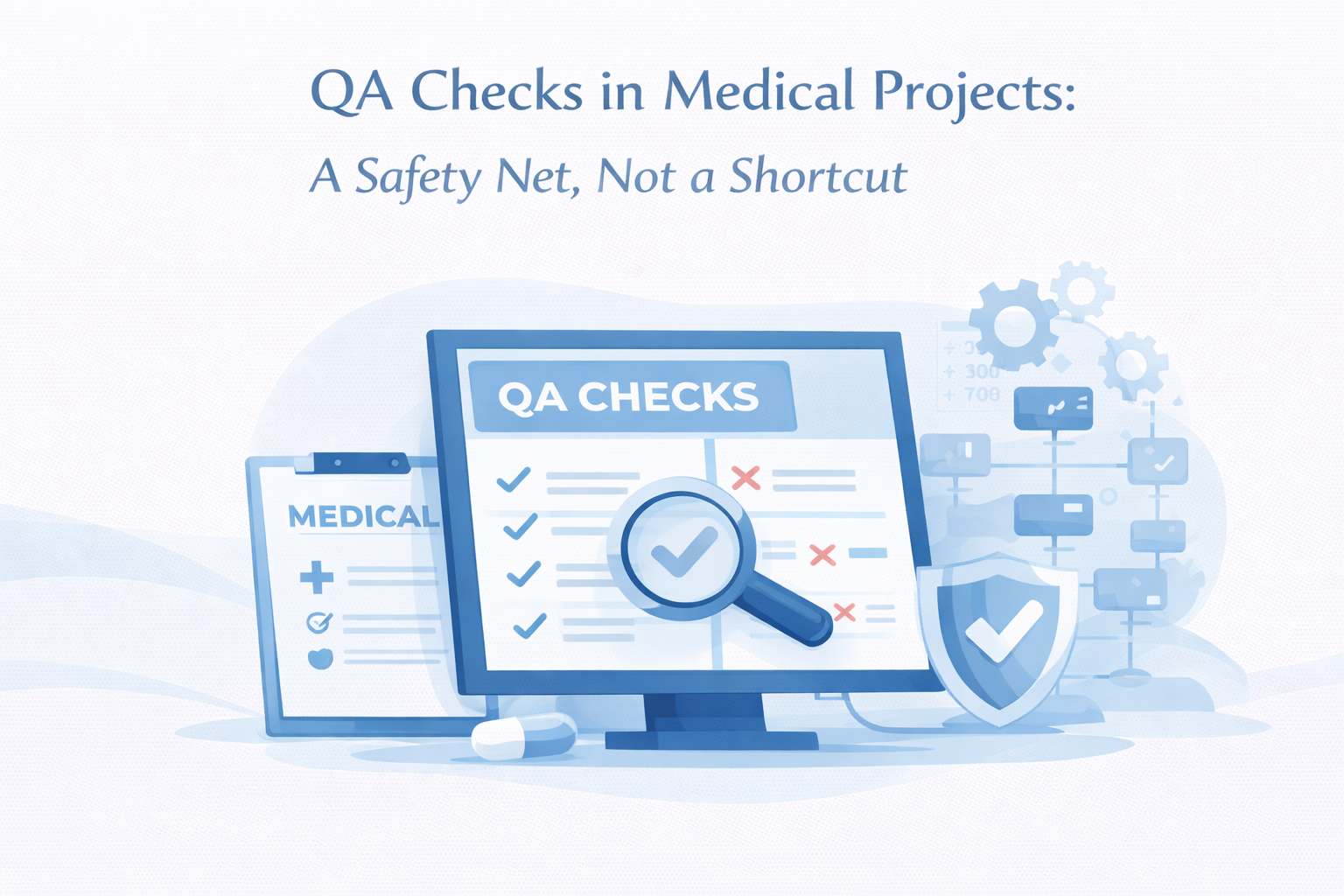
QA Checks in medical projects: a safety net, not a shortcut
QA Checks in medical projects: a safety net, not a shortcut
Quality assurance plays a crucial role in medical translation projects. However, QA tools are often misunderstood. They do not replace human expertise. Instead, they support it.
In practice, QA checks focus on technical accuracy. For example, they detect missing numbers, inconsistent terminology, or formatting issues. As a result, they help catch errors that are easy to overlook during manual review.
At the same time, QA tools work best when used early. When integrated into the CAT environment, they support translators while they work. Therefore, issues are resolved before delivery, not after.
However, QA tools have limits. They cannot judge medical sense or clinical appropriateness. Because of that, expert review remains essential. Linguists must still assess meaning, tone, and context.
For LSP clients, this layered approach reduces risk. For project managers, it improves efficiency. And for translators, it creates confidence in the final output.
In short, QA in medical translation works as a safety net. It strengthens quality. Yet it never replaces professional responsibility.

How LSPs combine tools, processes and people
How LSPs combine tools, processes and people
Successful medical translation relies on more than software. LSPs design workflows that connect tools with human expertise. As a result, technology supports people, not the other way around.
First, project managers configure CAT tools correctly. They load approved termbases. They also align translation memories. Therefore, translators start with the right resources from the beginning.
Next, linguists focus on content. They apply medical knowledge. At the same time, tools handle repetition and consistency. This division of roles improves both speed and quality.
Communication also matters. When questions arise, clear feedback loops help resolve them quickly. Because of this, updates stay consistent across languages and versions.
For clients, these structured workflows offer transparency. Progress becomes traceable. Quality becomes predictable. Healthcare educators also benefit, as such workflows reflect real industry practice.
Ultimately, LSPs succeed by blending people, process, and technology. When balanced correctly, this combination supports safe and effective medical communication.
Tools that support learning and quality
Tools that support learning and quality
CAT tools and QA systems shape modern medical translation. They support consistency. They reduce risk. And they reinforce learning at every stage.
For translators, tools provide structure and feedback. For LSP professionals, they enable scalable workflows. For clients, they protect quality and compliance.
Most importantly, technology does not replace expertise. Instead, it amplifies it. When used well, CAT tools for medical translation become partners in quality, not shortcuts.
That is why the translator’s toolkit matters. It reflects how language, technology, and responsibility come together in medical projects.