
How localization shapes patient experience in multilingual healthcare systems
Why localization matters in modern healthcare
Healthcare now serves many languages. Because of this, communication plays a key role in care quality. Patients often do not speak the main language of care. As a result, they may feel confused or unsafe.
This is where healthcare localization and patient experience connect. When patients understand medical information, they feel calmer. In turn, they trust providers more. Therefore, they follow treatment plans better.
Localization is not basic translation. Instead, it focuses on meaning and clarity. It also considers culture and reading level. Because of this, patients know what to expect and what to do.
However, when communication fails, problems appear. For example, mistakes increase and outcomes suffer.
For healthcare providers, this creates risk. At the same time, it creates responsibility. For LSPs and medical translators, it creates opportunity. Medical organizations need safe communication. Therefore, they rely on expert language support.
1. The patient experience gap in multilingual healthcare
Many patients face language barriers. Because of this, they may not understand diagnoses. In addition, treatment plans may confuse them. Consent forms may also be unclear.
As a result, patients feel stress. Therefore, they may ask fewer questions. In turn, they may not follow medical advice.
Research shows that poor communication lowers patient satisfaction. Moreover, it can lead to repeat visits. In multilingual systems, these problems grow even faster.
Healthcare localization helps reduce this gap. First, clear language improves understanding. Next, patients feel involved in their care. As a result, they feel respected.
For medical LSP clients, this is critical. Language quality affects patient safety. It also affects trust.
By investing in professional localization, healthcare providers improve care quality. At the same time, they meet legal and ethical duties.
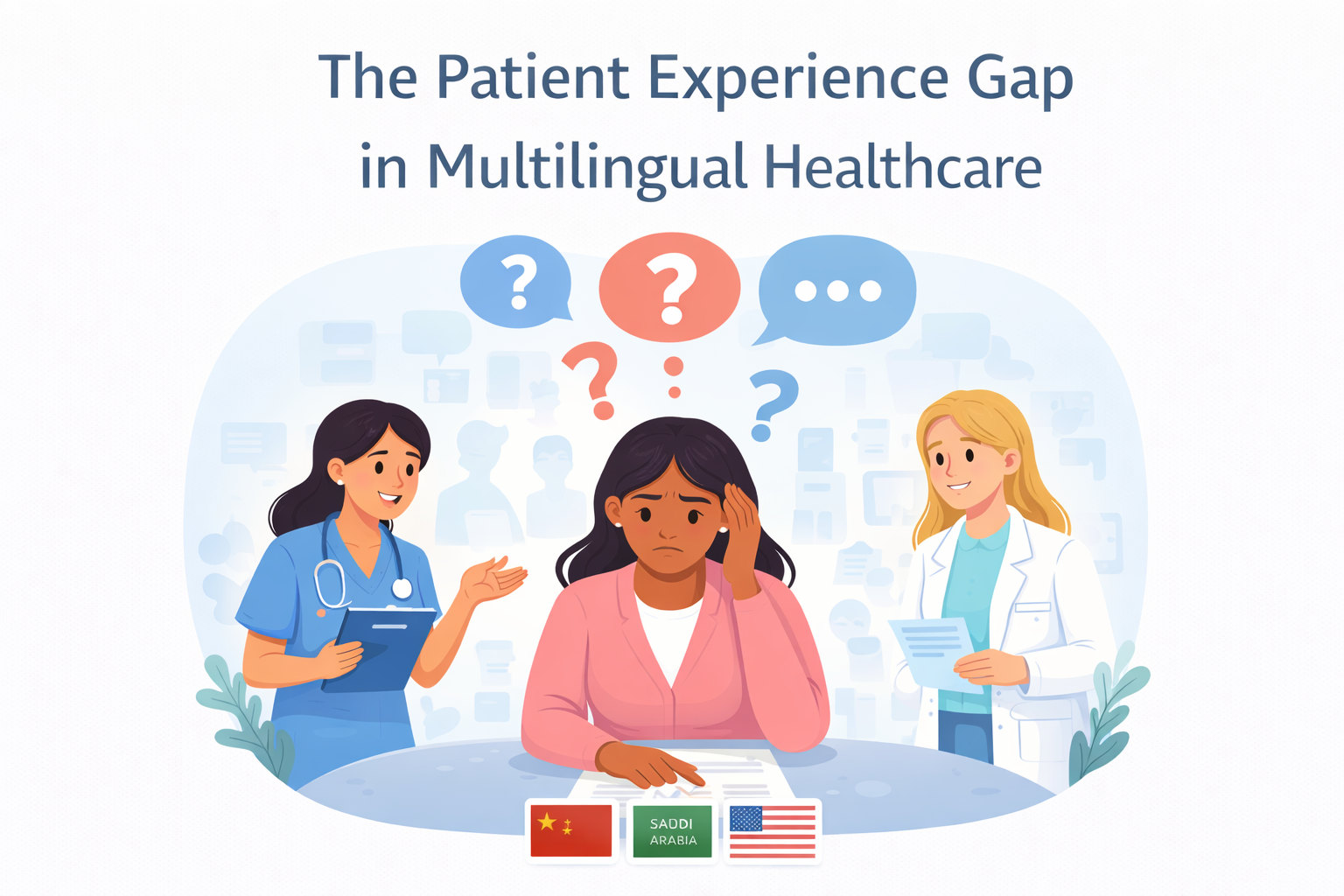
The patient experience gap in multilingual healthcare
2. Localization beyond translation: cultural and medical accuracy
Medical localization needs special skills. Language alone is not enough. Instead, medical knowledge matters. Likewise, cultural awareness plays a role.
Terms must be exact. At the same time, instructions must be easy to read. Also, the tone must stay calm and clear.
For example, discharge instructions may be translated correctly. However, patients may still misunderstand them. As a result, they may use medicine the wrong way.
Localized content works better. Because of this, patients understand next steps. In turn, risks go down.
Therefore, healthcare organizations work with medical LSPs. Translators follow approved terms. In addition, reviewers check content for local use.
For translators and LSP teams, standards are rising. As a result, accuracy is critical. Likewise, consistency is essential.
Finally, educators support this work. By training linguists for real medical needs, they help improve patient experience and safety.
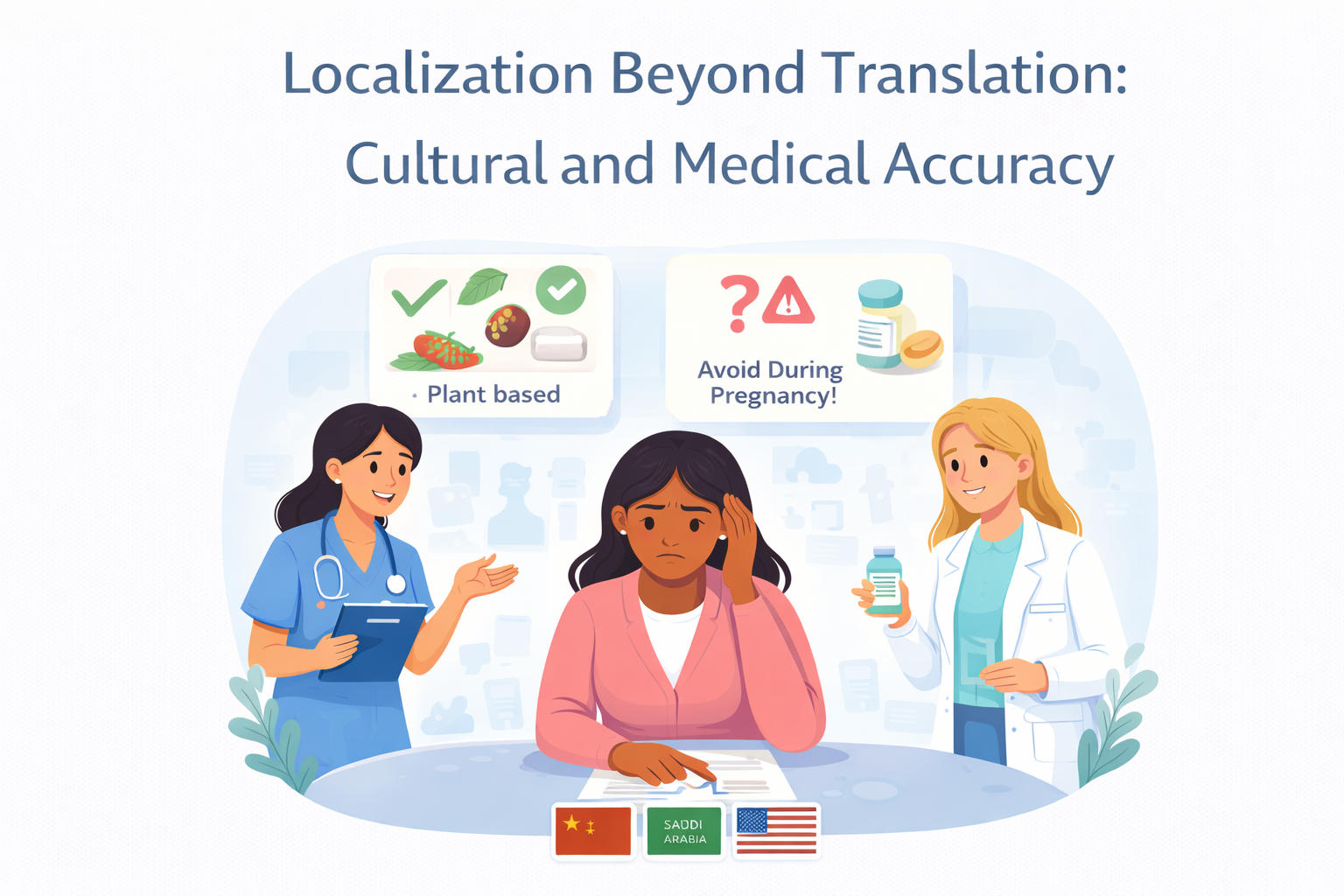
Localization beyond translation: cultural and medical accuracy
3. Digital health and the need for consistent localization
Healthcare is becoming more digital. Because of this, patients now use portals, apps, and telehealth tools. Yet, many of these tools lack proper localization.
Unclear digital content causes problems. For example, patients may miss appointments or misunderstand test results. As a result, trust drops and support requests rise.
Localization offers a solution. First, it brings clear language to every digital channel. Next, it keeps terms consistent across languages. In turn, patients feel more confident using digital tools.
Content changes often in healthcare. Therefore, consistency is hard to maintain without support.
This is where LSPs play a key role. By using terminology systems and quality checks, they support safe updates. As a result, healthcare teams save time and reduce risk.
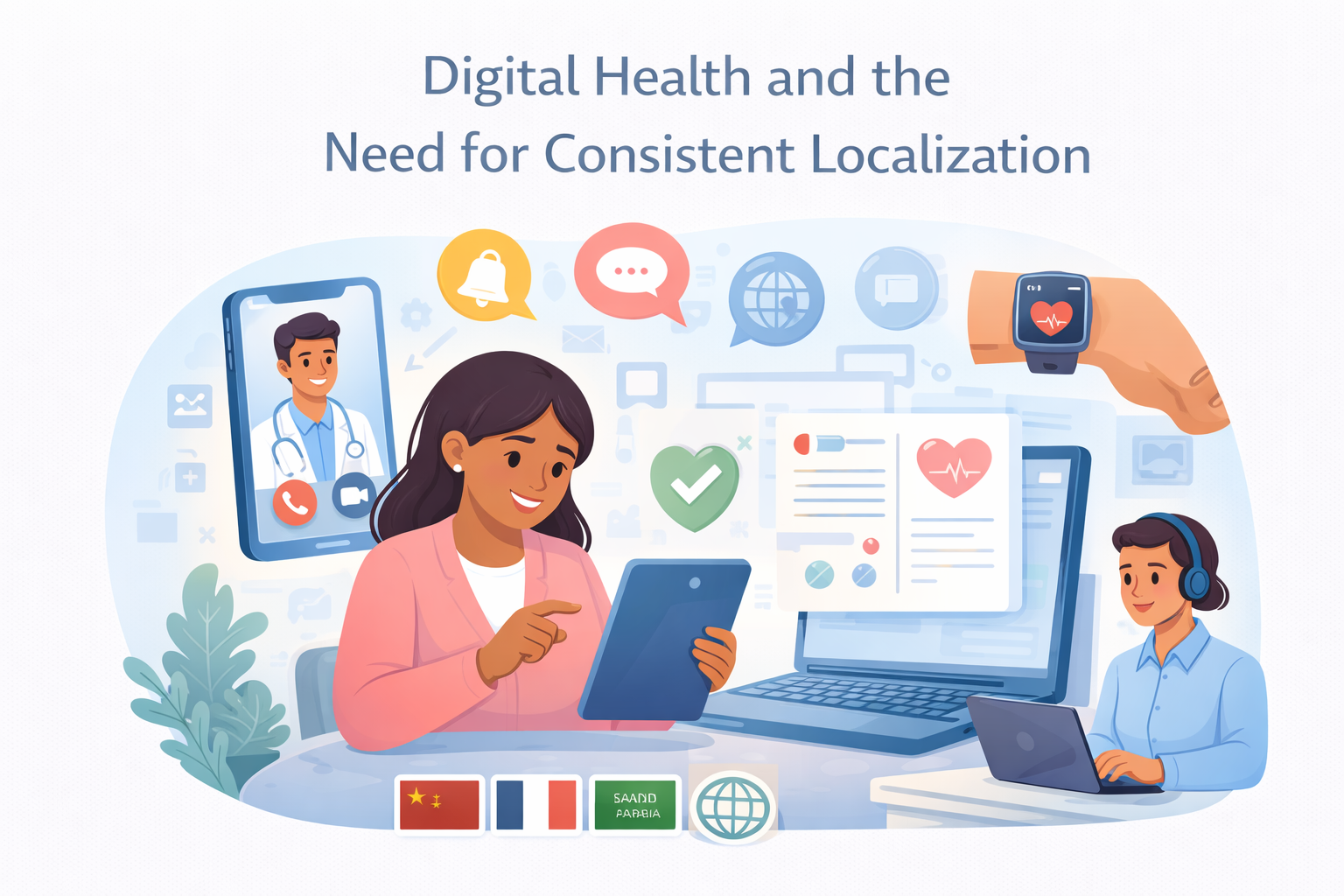
Digital health and the need for consistent localization
4. Business, compliance and reputation impact
Patient experience affects more than care alone. It also affects legal and business outcomes. Because of this, language access is required, not optional.
Healthcare laws demand clear communication. For example, consent must be informed and understood. When this fails, legal risk increases.
Localization helps reduce this risk. First, it supports clear consent. Second, it improves accessibility for diverse groups. As a result, providers meet rules more easily.
Reputation grows through trust. When patients feel understood, confidence rises. In turn, loyalty follows.
For LSP clients, this impact is long term. By offering secure and compliant workflows, they support both patients and providers.
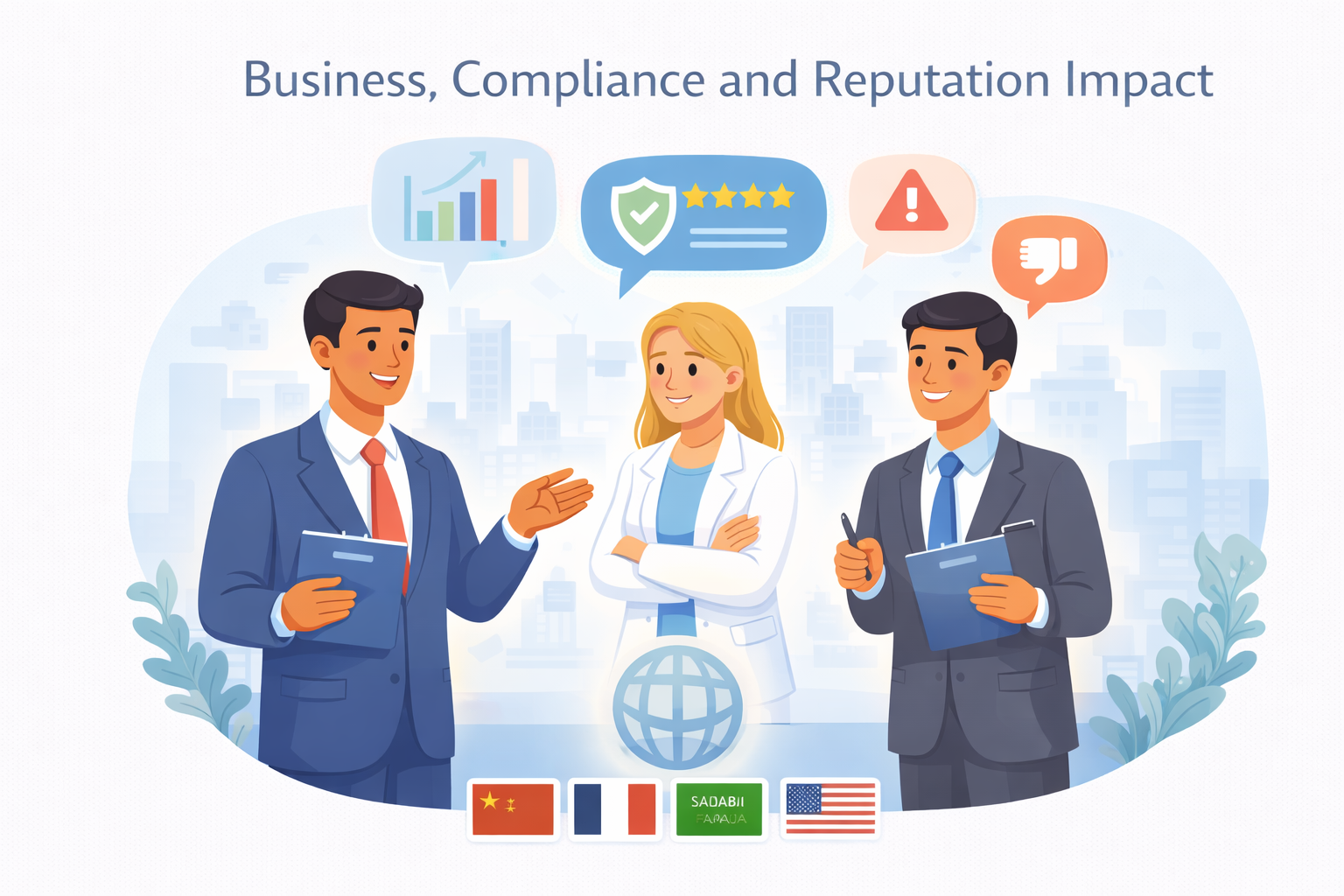
Business, compliance and reputation impact
Localization as a core part of patient-centered care
Healthcare localization shapes patient experience. Because of this, it deserves ongoing attention.
Clear language supports safety and trust. At the same time, it improves outcomes.
Localization is not a one-time task. Instead, it is a continuous effort. As healthcare becomes more global, language needs grow.
Different groups share this responsibility. Providers choose trusted partners. LSPs build medical expertise. Educators train future specialists.
Ultimately, strong localization leads to better care. Therefore, investing in healthcare localization benefits everyone involved.
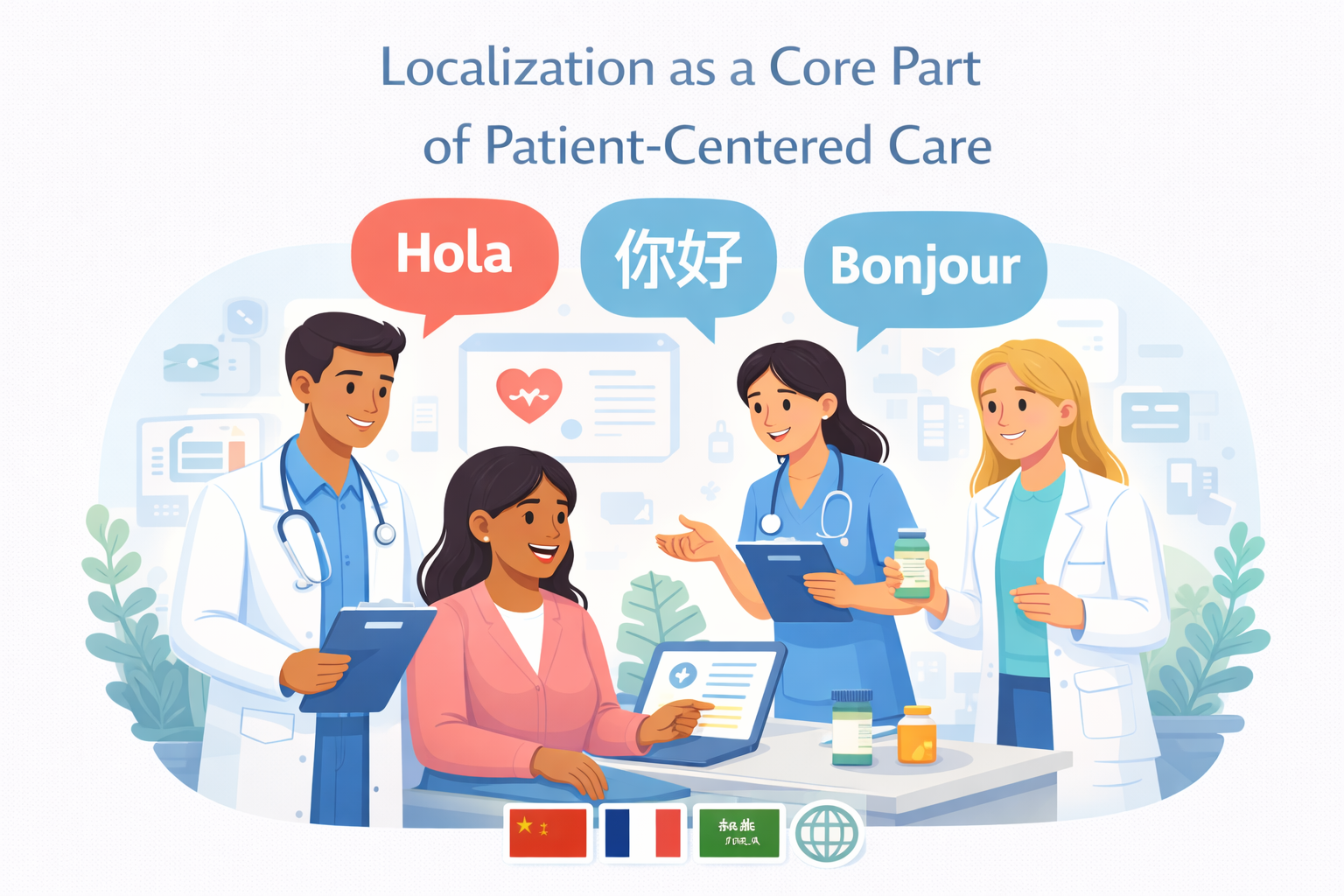
Localization as a core part of patient-centered care