From patient leaflets to clinical trials: types of medical content that need expert localization
Why expert localization matters in healthcare
Healthcare organizations communicate with patients, clinicians, and regulators across many languages. Every message must be accurate, clear, and culturally appropriate. Even a minor mistake can create safety risks or compliance problems. As a result, more teams are paying close attention to medical content localization. This process does much more than translate text. It adapts meaning, tone, visuals, and regulatory details so the content works correctly for each region.
At the same time, medical products and clinical research continue to expand into new markets. Companies need multilingual materials that support safe product use, informed decision-making, and reliable reporting. Translators and LSP professionals play a central role in achieving this. Their work ensures that content stays true to its clinical purpose while still feeling natural to the target audience.
For aspiring medical translators, this growing need offers many opportunities. It requires linguistic precision, but also curiosity and a willingness to learn about medical devices, clinical procedures, and local regulations. Healthcare educators also rely on accurate content to teach diverse learners. This article explores the key types of medical content that require expert localization and explains why each area matters for safety and compliance.
Why expert localization matters in healthcare
Patient-facing materials: clear information for safer care
Patient-facing documents shape how individuals understand their conditions, treatments, and daily care routines. These materials include patient leaflets, brochures, IFUs, and educational websites. Because patients rely on these resources to make important health decisions, clarity is essential. A poorly localized leaflet can confuse symptoms, dosage instructions, or safety warnings. This may lead to incorrect medication use or missed follow-up steps.
Therefore, patient materials must be easy to read and culturally appropriate. Translators need to consider tone, reading level, and visual elements. For example, certain metaphors or casual phrases may not work in another language. Even the layout can change once text expands or contracts in translation. In addition, some healthcare systems use different terminology for the same procedure.
Strong workflows help maintain consistency and patient safety. Glossaries, style guides, and validated translations ensure that every version delivers the same message. Healthcare educators depend on this reliability when teaching patients or caregivers. LSP teams can also support content owners by testing localized materials in real layouts and formats. With careful localization, patient information becomes a tool that promotes understanding and safe health decisions.
Patient-facing materials: clear information for safer care
Medical device documentation and software interfaces
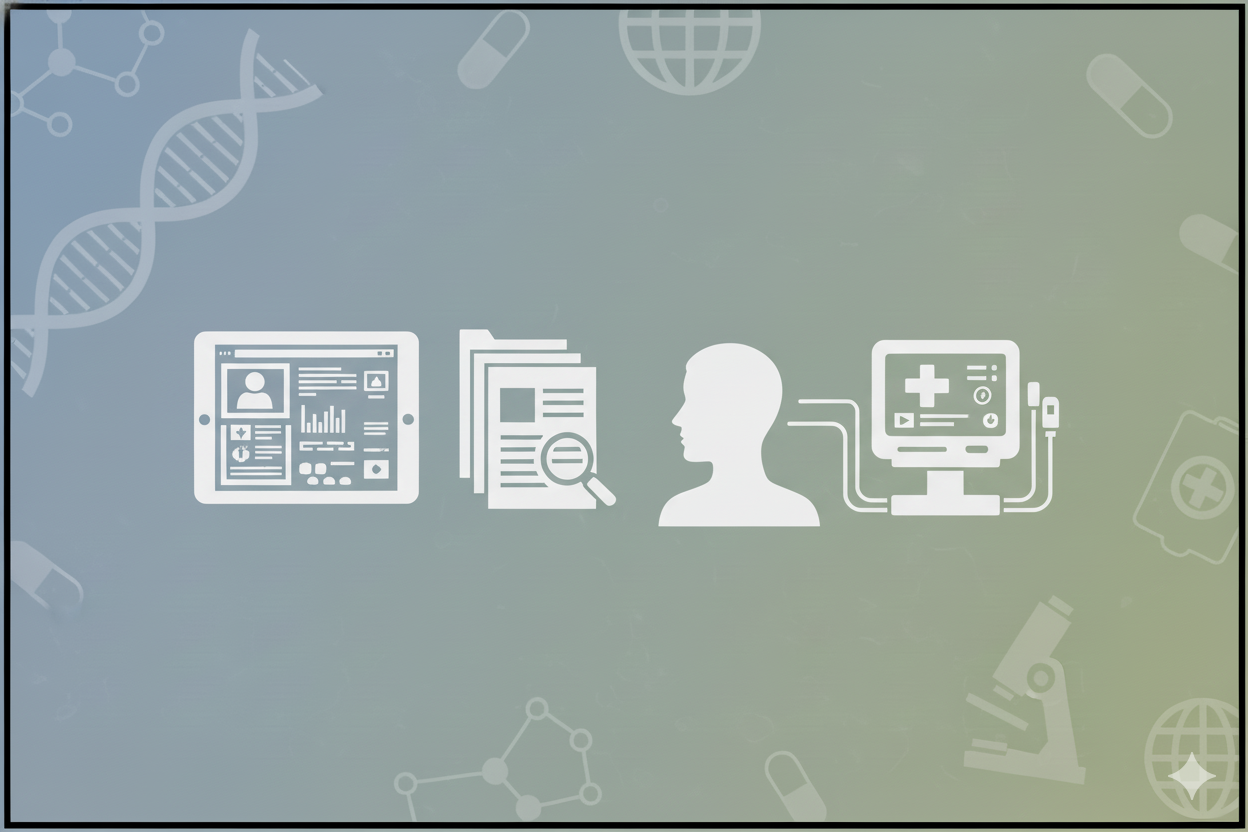
Medical devices require precise user information. Manuals, quick-start guides, packaging labels, and on-device screens all play a role in safe operation. When these materials are translated without proper expertise, users may misunderstand essential steps or warnings. As devices become more advanced, the risk increases. A small error in a diagram label or a software prompt can affect how clinicians or patients use the product.
That is why localization for device content demands technical skill. Translators must understand device functions, approved terminology, and regulatory expectations. Additionally, they must ensure that symbols, icons, and hardware labels match local standards. Software interfaces bring even more complexity. Buttons, menus, and alerts must remain clear, consistent, and easy to navigate across languages.
Testing is another critical step. After localization, teams must verify that the text fits the interface, that character encoding works correctly, and that no instructions become confusing when displayed on small screens. Healthcare manufacturers rely on this level of precision to avoid user errors and regulatory delays.
Aspiring translators can build confidence by studying real device documentation and learning about regional standards. When localization teams handle these materials with care, device users gain safer and more reliable experiences.
Medical device documentation and software interfaces
Clinical trial documentation and regulatory submissions
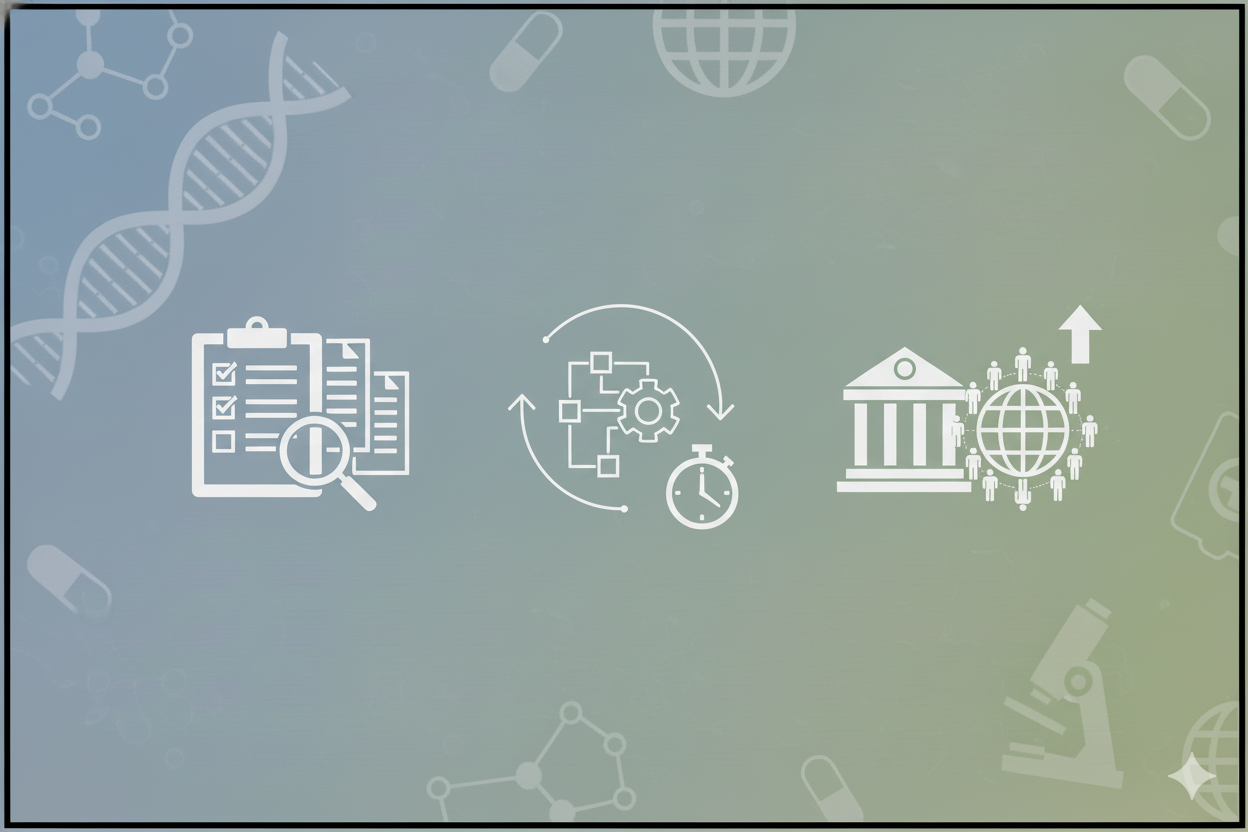
Clinical trials involve complex workflows, strict schedules, and sensitive information. Every document must be clear and consistent, because any misunderstanding can affect participant safety or data quality. These materials include study protocols, patient recruitment materials, informed consent forms, investigator brochures, and patient diaries. Since clinical research often spans multiple countries, multilingual accuracy becomes essential. A small inconsistency in a consent form can lead to ethical concerns. An unclear instruction in a patient diary can distort data.
Regulatory submissions add even more pressure. Each region has its own rules for formatting, terminology, and legal phrasing. Translators must follow these requirements closely. A misplaced term or inaccurate phrase can delay approvals or lead to non-compliance findings. That is why teams need strong medical content localization practices for trial documents.
Additionally, cultural adaptation matters. Not every phrase used in recruitment or consent materials feels appropriate in every culture. Translators must consider tone, expectations, and cultural norms. LSP professionals support this work by coordinating SME reviews, glossary updates, and multi-step QA processes.
Aspiring medical translators can strengthen their skills by studying real trial materials and learning about global regulatory systems. When handled correctly, localized documentation improves participant understanding and supports successful trial outcomes.
Clinical trial documentation and regulatory submissions
Training materials for healthcare professionals
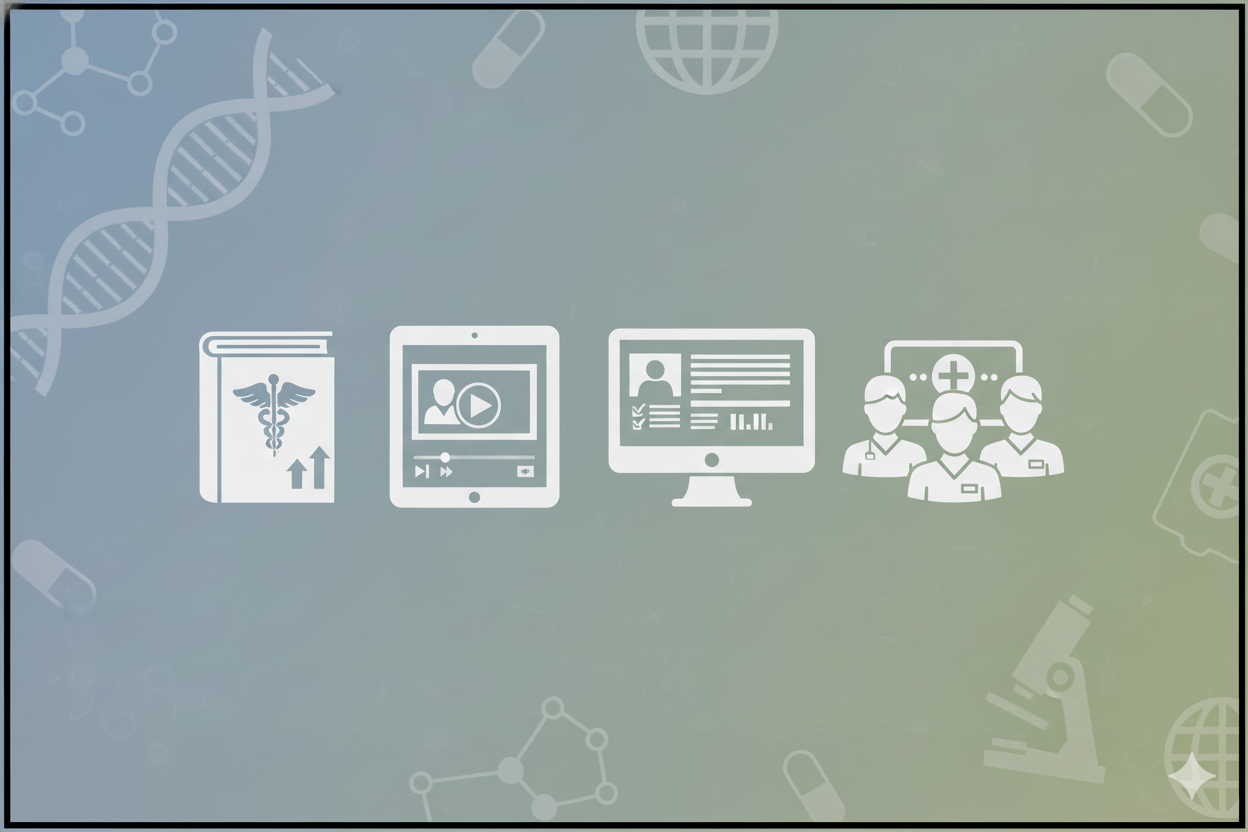
Healthcare professionals rely on accurate training content to update their skills and stay compliant with regulations. These materials range from e-learning modules and onboarding manuals to sales training decks and continuing education programs. Because these resources influence real-world clinical decisions, accuracy is critical. A single mistranslated phrase in a lesson about device operation or a medical procedure can lead to improper use.
Training content often includes multimedia elements such as videos, scripts, voice-overs, captions, and interactive assessments. Each component requires careful adaptation during localization. For example, on-screen text must stay readable after translation. Audio recordings need native-speaking voice talent to ensure clarity. Interactive tasks must work smoothly in every language.
Furthermore, terminology consistency helps learners absorb information more effectively. If one module uses different terms than another, healthcare professionals may become confused. LSP teams help prevent this by maintaining glossaries, translation memories, and style guides.
Healthcare educators also benefit from expert localization. Well-adapted training materials allow them to teach global audiences with confidence. Aspiring translators can practice with e-learning samples to learn how medical concepts are taught. With strong localization, professional training becomes safer, clearer, and more effective for every learner.
Training materials for healthcare professionals
Why expert localization protects people and supports global care
Medical materials come in many forms, but they all share one requirement: accuracy. Patient leaflets, device manuals, clinical trial documents, and training modules each carry real consequences if translated poorly. That is why expert localization is essential. It supports patient safety, helps clinicians make informed decisions, and ensures compliance with regional regulations.
LSP professionals and medical translators play a key role in this process. Their work keeps terminology consistent, adapts content for cultural and linguistic needs, and maintains clarity across all formats. Healthcare educators and manufacturers depend on these skills to serve global audiences.
Aspiring translators can also contribute by learning specialized terminology, studying regulatory standards, and practicing with real medical content. Every improvement strengthens the industry as a whole.
Ultimately, medical content localization builds trust. It helps organizations communicate clearly across languages. It also protects users from misunderstandings and supports better health outcomes worldwide. Quality localization is not just a service. It is a critical part of safe and effective healthcare.
Why expert localization protects people and supports global care